Will Pakistan’s Taliban ties blunt its crackdown on anti-India jihadists?
- Pakistan has convicted two figures behind the 2008 Mumbai attack and is going after terror funding sources, paving the way for its removal from the G7’s watchlist
- But analysts say Islamabad still has a way to go in curbing extremism, while negotiating an increasingly strained alliance with the Taliban – which itself has close ties to jihadist groups

While Pakistan’s crackdown against anti-India jihadists has been thorough, having also included the seizure of terrorist groups’ infrastructure and bans on fundraising, analysts said it was too early to draw conclusions as to whether Islamabad has indeed “learnt its lesson”, as claimed by State Minister for Foreign Affairs Hina Rabbani Khar.
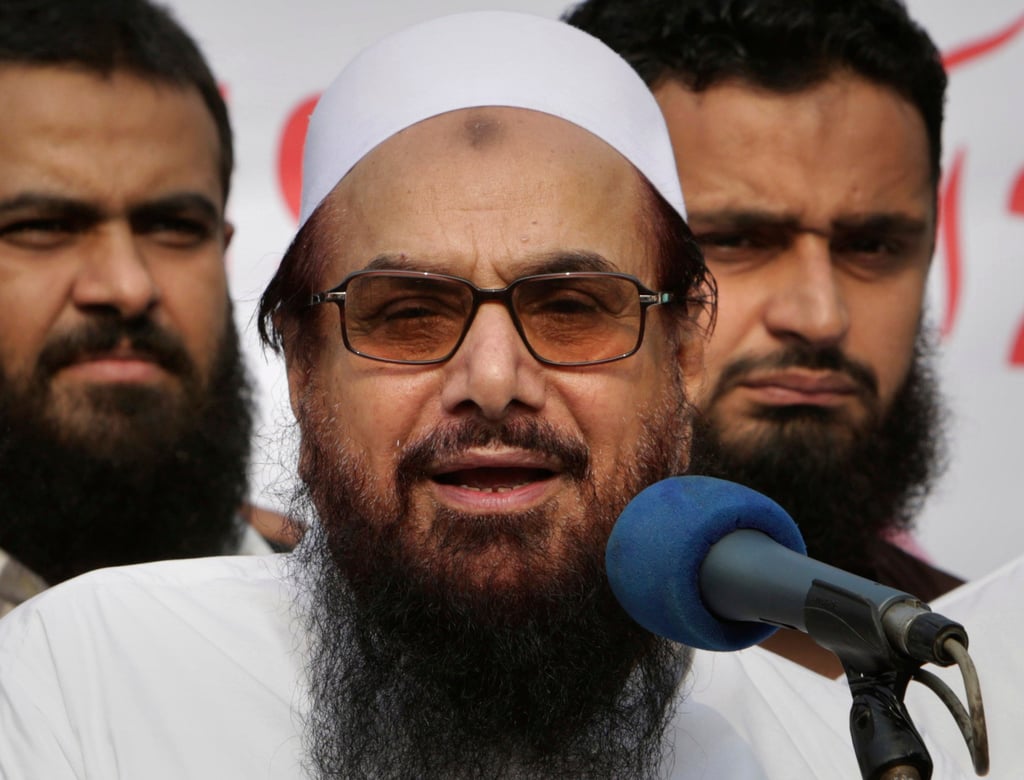
The 35-year sentence for each of the JuD’s founders Hafiz Saeed Ahmed and Sajid Mir, who planned and oversaw the Mumbai attack, cleared the way for Pakistan to be removed from the watchlist of the Financial Action Task Force (FATF), a Paris-based organisation established by the G7 to prevent money laundering and terrorism financing.
After the FATF announced on June 17 that it was satisfied Pakistan had done enough to warrant removal from its “grey list” by October, Khar was asked by journalists whether Islamabad would stick to its commitment to shut down anti-India groups like JuD, or allow them to resurface after a short hiatus, as had been the case in the past.
“The lesson learnt is never again. Not for the sake of others, but for our own sake,” she said.