Advertisement
China, Russia tensions haunt South Korea’s search for US security, economic guarantees on Yoon Suk-yeol visit
- Seoul wants US reassurances in the face of North Korea’s growing nuclear threats, and concessions to realise their cooperation on chips and batteries
- But these themes have been overshadowed by Yoon’s recent remarks on the war in Ukraine and Taiwan Strait tensions, which angered Moscow and Beijing
3-MIN READ3-MIN
31

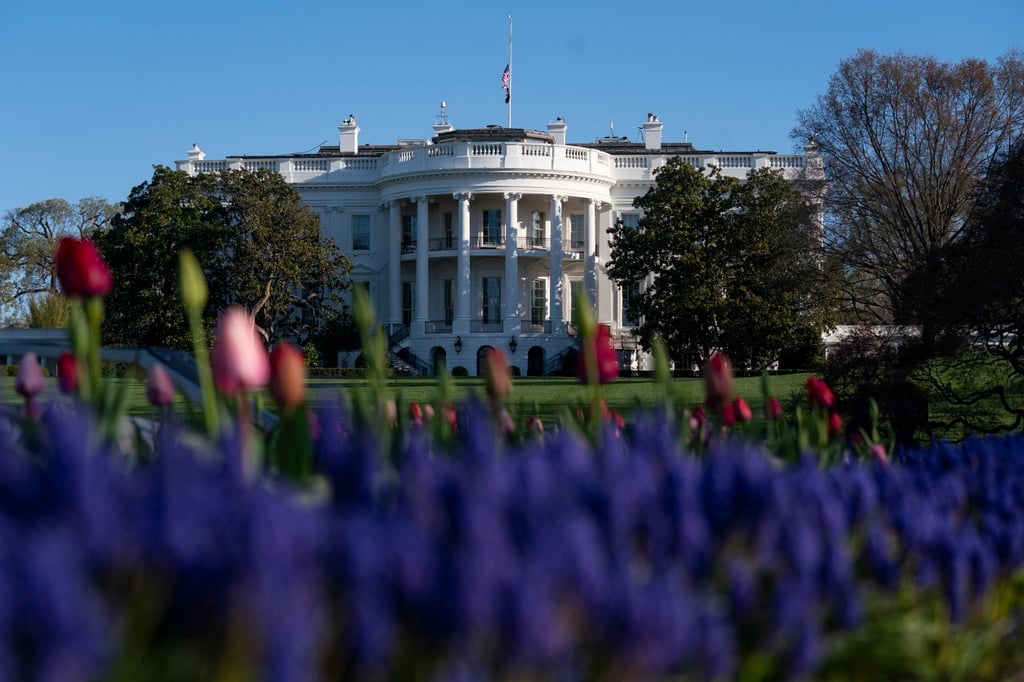
South Korean President Yoon Suk-yeol on Monday flew to Washington for a six-day state visit as critics questioned whether he was embracing a “friend or foe” approach to diplomacy, despite the country’s need for a delicate balancing act among competing powers.
The trip marking the 70th anniversary of bilateral ties comes as Seoul is seeking stronger commitment by Washington to protect South Korea against growing nuclear threats by the North, while the US expects its ally to play a greater role in restraining China and Russia.
“We expect the content and breadth of our global comprehensive strategic alliance to be further expanded at the coming talks, based on the trust and friendship the leaders have built until now,” Principal Deputy National Security Adviser Kim Tae-hyo told journalists last week.
Advertisement
The allies are also looking to bolster economic security in semiconductors and batteries, with Seoul seeking Washington’s concessions in the implementation of the Inflation Reduction Act and Chips and Science Act aimed at enhancing investments in the United States and curbing global trade and technology ties with China.
“The key question is how the United States could give South Korea a firm commitment to offering an extended deterrence, as 70 per cent of Koreans are in favour of arming their country with nuclear weapons,” said political-science professor Park Won-gon, referring to the mobilisation of the US’ full military capabilities, including nuclear weapons, to deter the North.
Advertisement
Advertisement
Select Voice
Select Speed
1.00x