Will Japan’s Fumio Kishida call an election this year? Weak yen, economic woes make it ‘difficult’, analysts say
- A weaker currency and higher prices have largely cancelled out the boost from the end of the pandemic and last month’s G7 meeting in Hiroshima
- Observers say Kishida is unlikely to call a general election until next year ‘at the very earliest’, as inflation lingers and wages remain stagnant

But the yen’s depreciation in recent weeks appears to have undone those achievements and could lead to more price increases for a Japanese public that is weary of higher costs while wages have remained largely static. And that, experts agree, makes calling an election simply too much of a risk for Kishida.
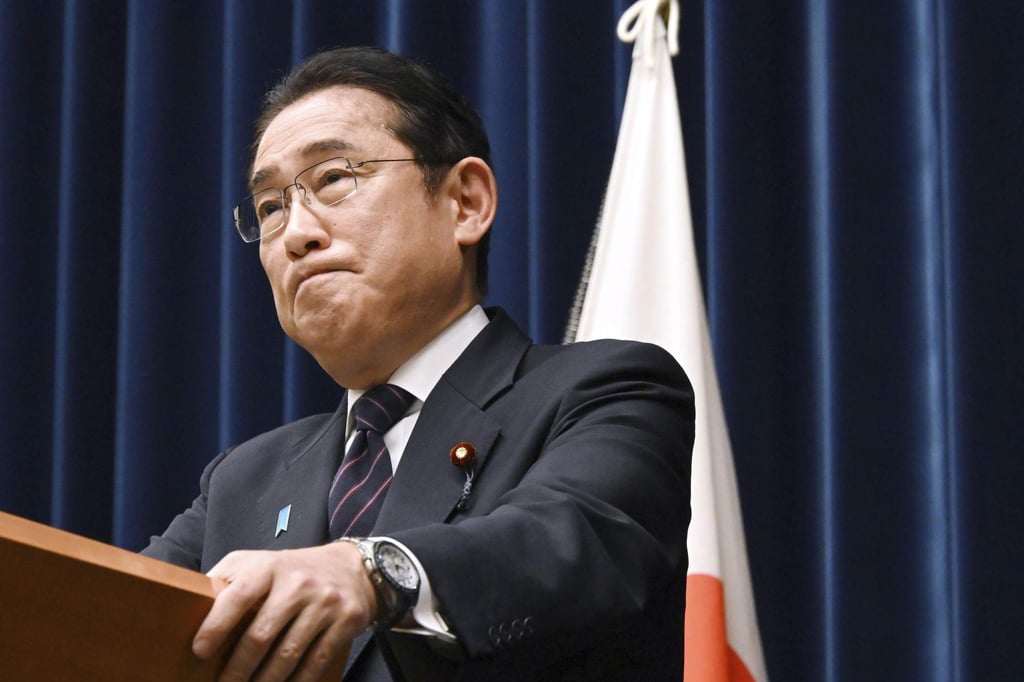
Masato Kanda, the vice-minister of finance for international affairs, said on Monday that the yen’s decline in value against the dollar and euro was “rapid and one-sided”. The yen was moving in a band around 143 to the dollar on Monday morning, a seven-month high.
Against the pound, the Japanese currency was trading at 182.66, the highest since December 2015. The yen was at a 15-year high against the euro and was similarly strong against the Australian dollar.
Japan last intervened in the currency markets in September and October to counteract the yen’s fall against the dollar and Kanda confirmed that the government could be forced to act once again, saying, “No options are ruled out.”
The yen’s slide is a result of the widening of the interest rate gap between Japan and the central banks of the US and Britain, said Martin Schulz, chief policy economist for Fujitsu’s Global Market Intelligence Unit. But there are some major differences between now and when Japan last intervened.