Advertisement
Israel-Gaza conflict spillover risk rises as attacks by non-state actors like Houthi, Hezbollah put diplomacy ‘to the test’
- Israel’s relentless Gaza offensive has prompted a slew of attacks by Iran-backed militias, straining diplomatic efforts to contain the conflict
- In the US’ absence, analysts say Egypt and the UAE are most likely to lead negotiations, but the lack of Palestinian statehood could be a deal-breaker
6-MIN READ6-MIN
19

With Israel showing no sign of de-escalating its military campaign in Gaza, hopes are fading that the conflict can continue to be contained by the unprecedented levels of diplomatic coordination between rival Middle Eastern powers that has been seen so far.
The region’s three main power groupings – broadly comprising Egypt, Jordan, Saudi Arabia and the United Arab Emirates; Iran and aligned non-state militias in Iraq, Lebanon, Syria and Yemen; and Qatar and Turkey – have closely communicated since the Israel-Gaza war broke out on October 7, building on a reconciliatory trend of recent years.
Such diplomacy “has succeeded so far in preventing the war between Israel and Hamas from escalating into a region-wide conflict”, said Kristian Coates Ulrichsen, Middle East fellow at Rice University’s Baker Institute for Public Policy think tank in the US. It also “reflects the shared interest of states” across the region in preventing escalation, he said.
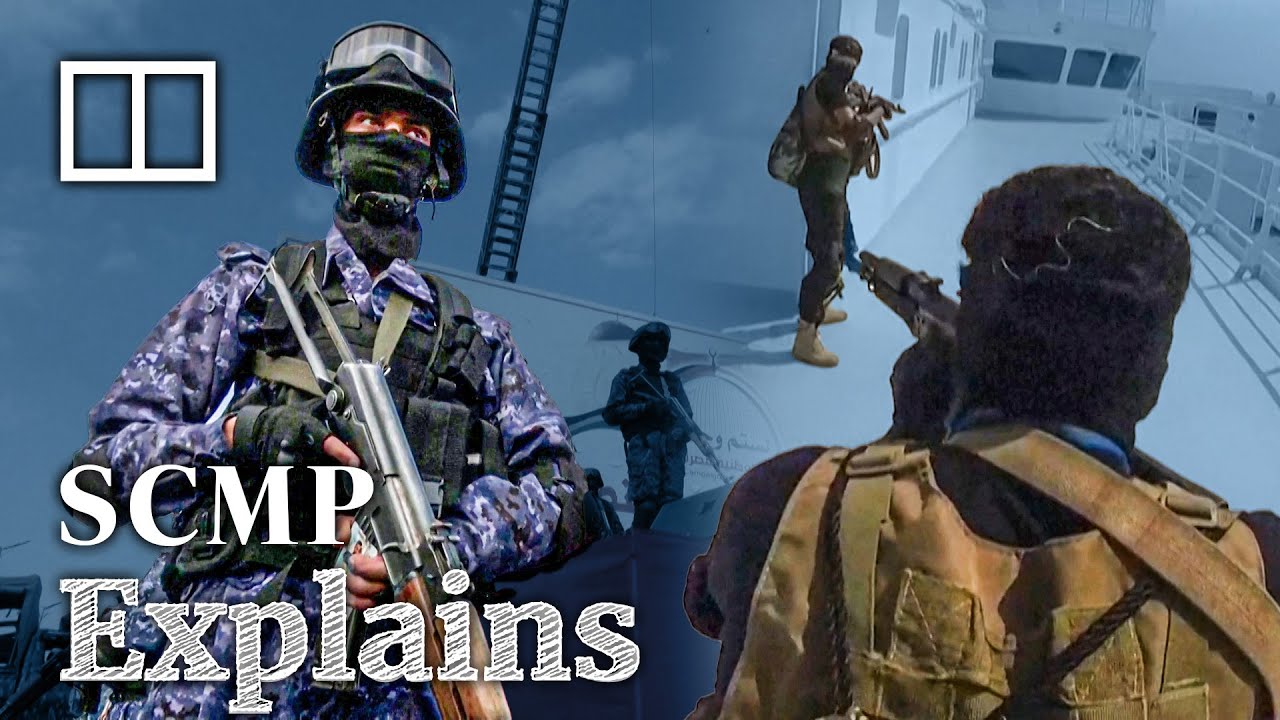
10:26
Yemen’s Houthi fighters behind Red Sea attacks threaten to disrupt global trade
Yemen’s Houthi fighters behind Red Sea attacks threaten to disrupt global trade
But such efforts will be “put to the test by the intensification of attacks on maritime targets in the Red Sea” by Yemen’s Iran-aligned Houthi movement, which will “indicate the level of Iran’s ability to dictate or control the activities of groups considered by some” to be its proxies.
Advertisement
“This goes for Hezbollah in Lebanon as well,” Ulrichsen said.
Visiting Israel on December 18, US Secretary of Defence Lloyd Austin called on Iran-aligned Hezbollah “to make sure that they don’t do things that would provoke a wider conflict” with Israel.
Advertisement
“We’ve been clear that we don’t want to see this conflict widen into a larger war or a regional war,” he said.
Intensified military actions
Advertisement
Select Voice
Select Speed
1.00x