Advertisement
Philippines’ U-turn on South China Sea code of conduct a sign tensions remain stumbling block to progress
- Strained ties and attempts to exclude Beijing from discussions could further complicate efforts to conclude a regional code of conduct, analysts say
- Its completion could also mean compromising on sovereign rights, which looks ‘unlikely’ with China and the Philippines locked in maritime disputes
4-MIN READ4-MIN
81

The Philippines’ affirmation of a code of conduct (COC) between China and Southeast Asian countries is a likely sign that earlier efforts by Manila at forging a “mini” pact may not be working, analysts say, as tensions could deter regional neighbours from “openly welcoming” its overtures.
If Manila goes ahead and files charges against Chinese fishermen over the alleged use of cyanide to damage the Scarborough Shoal, it would be an attempt by the Philippines to resort to legal options to promote its maritime interests, observers added.
Earlier this month, Philippine Foreign Secretary Enrique Manalo said Manila was firmly committed to negotiations on a code of conduct between China and Southeast Asian countries to avert confrontations in the South China Sea.
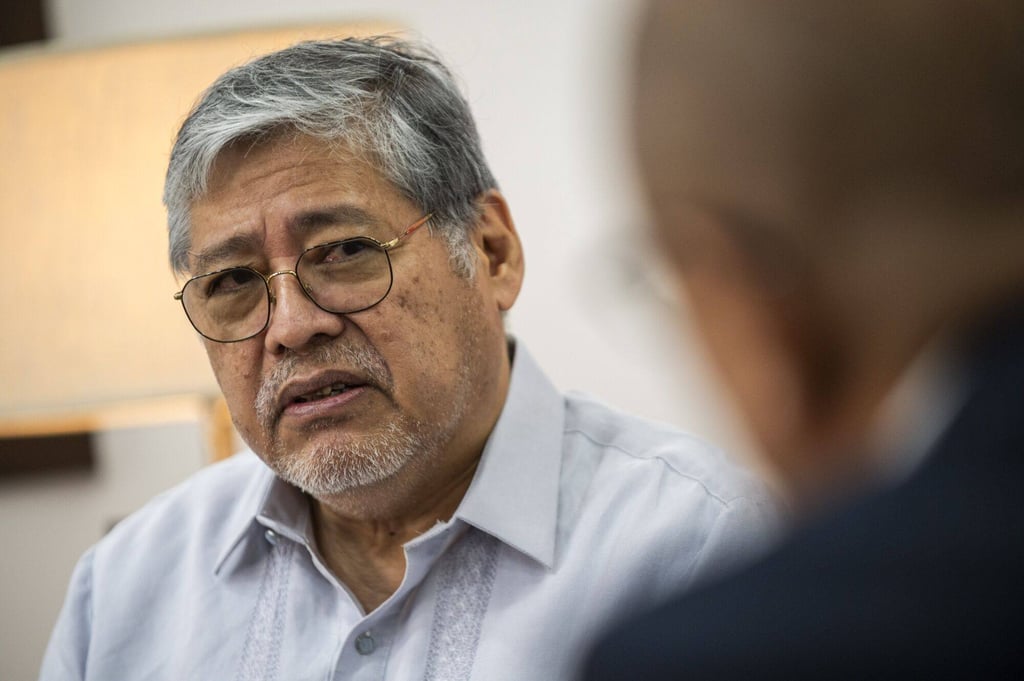
He added that tensions in the disputed waterway were not all about a rivalry between superpowers the United States and China, and the Philippines and others had legitimate rights and interests to uphold.
Advertisement
This contrasted with remarks by Philippine President Ferdinand Marcos Jnr in November last year that Manila had approached neighbours such as Malaysia and Vietnam to discuss a separate code of conduct, citing limited progress towards striking a broader regional pact with China.
China and the Association of Southeast Asian Nations (Asean) have been working on a South China Sea COC for more than two decades, but progress has been slow despite commitments by all parties to accelerate the process.
Lucio Blanco Pitlo III, a research fellow at the Asia-Pacific Pathways to Progress Foundation, said the increasingly strained ties between China and the Philippines, as a result of rising maritime tensions, were likely to deter other claimants from “openly welcoming Manila’s overtures”.
Advertisement
Select Voice
Select Speed
1.00x