Say ‘xie xie’ and forget Taiwan? South Korea’s Yoon taps public resentment to snub calls for better Beijing ties
- South Korea’s conservative president has damaged trade ties by unnecessarily ‘antagonising’ mainland China, according to the opposition chief
- But Yoon looks set to rebuff ‘submissive’ calls to back down on the Taiwan issue, a position analysts say aligns with public sentiment in South Korea
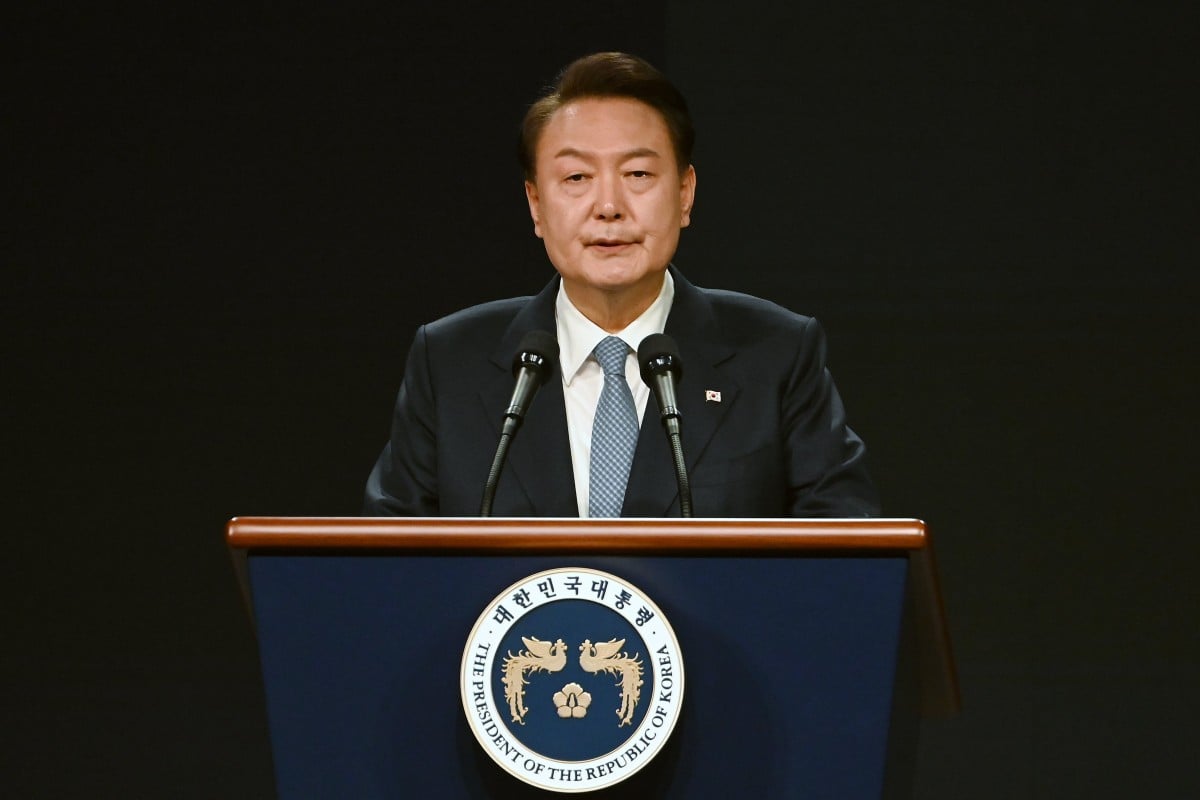
Analysts say Yoon’s position aligns with the “resentment against China” felt by much of the Korean public, with polls suggesting seven out of 10 South Koreans have an unfavourable view of the country.
But top opposition leader Lee Jae-myung’s remarks still stirred controversy last week.
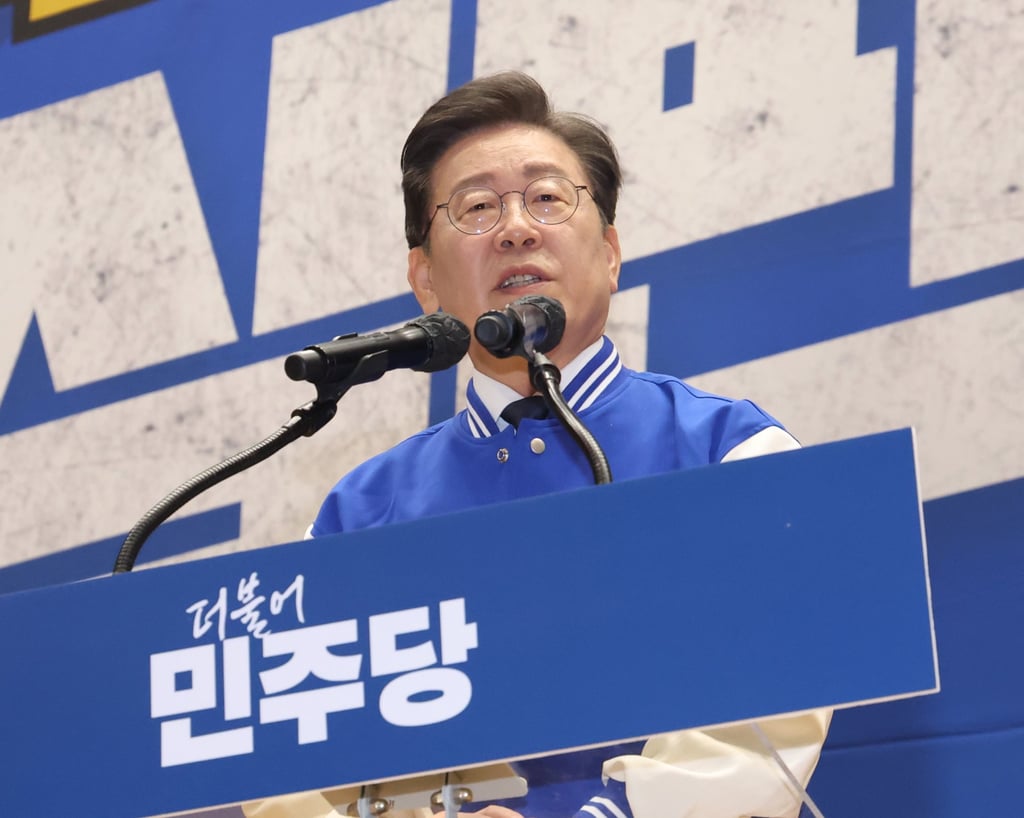
Lee, currently on the campaign trail ahead of pivotal April 10 parliamentary elections, on Friday accused Yoon of jeopardising trade relations with China through unnecessary provocations, spurring the ruling conservative People Power Party to attack the head of the liberal Democratic Party of Korea for his “submissive” attitude towards China.
But this has changed in recent years, with the trade surplus shrinking to US$1.2 billion in 2022. Last year, South Korea registered a trade deficit, of US$18 billion, with China for the first time in decades – a drop mainly attributed to slow chip exports and Chinese products gaining a competitive edge.