Controversial enlistment of 36 Chinese nationals by Philippine Coast Guard auxiliary unit can be traced to softer past stance on Beijing
- The unit is said to be the ‘secret weapon’ of the Philippine Coast Guard, which is often involved in dodging Chinese vessels in the South China Sea
- Uneven recruitment rules, boat ownership interests and past changes in foreign policy on China could have enabled the Chinese nationals to enter the PCGA, observers say
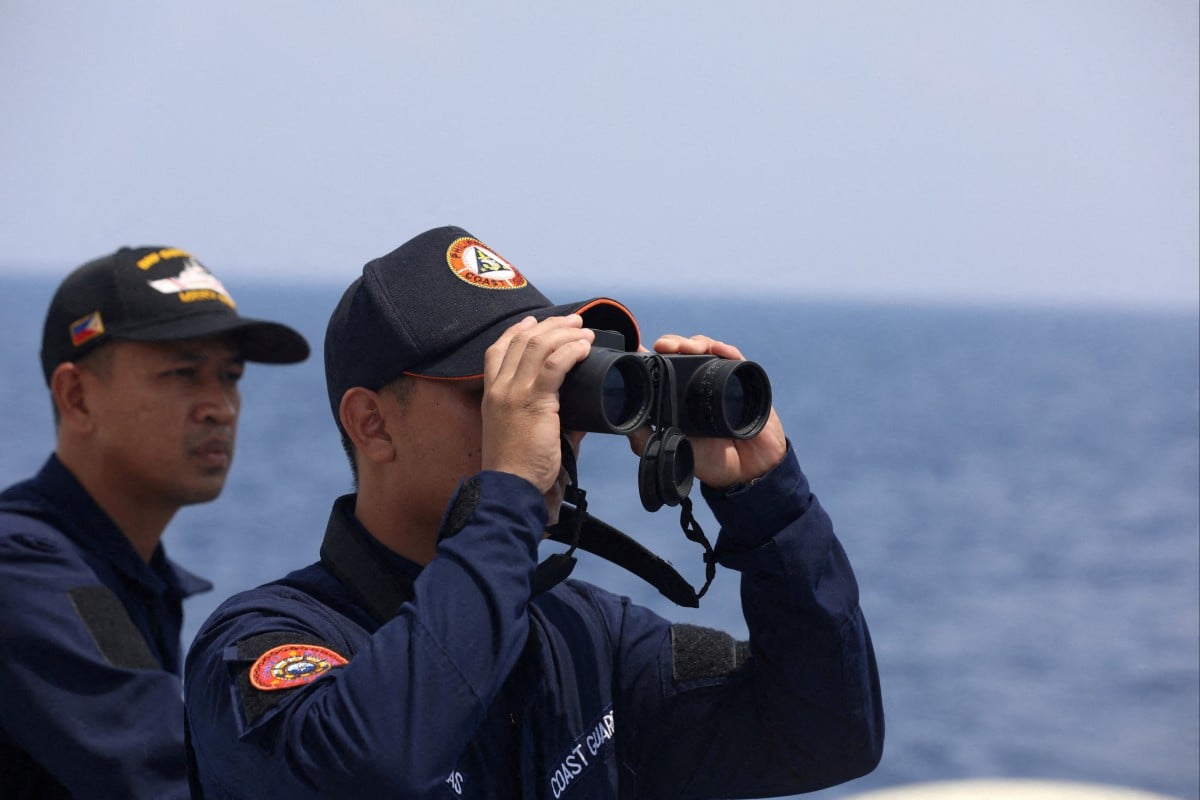
A revelation by the Philippine Coast Guard that its auxiliary unit contains 36 Chinese nationals on its active roster of civilian volunteers has aroused suspicions of spying amid maritime tensions between Manila and Beijing.
Admiral Ronnie Gil Gavan last month told lawmakers he had already “delisted” the individuals in question and that they posed no national security threat to the Philippine Coast Guard Auxiliary (PCGA), but irate congressmen had demanded for “treasonous” heads to roll.
The unit is said to be the “secret weapon” of the Philippine Coast Guard (PCG), which is often involved in dodging Chinese vessels to resupply a military outpost in the disputed Second Thomas Shoal in the South China Sea.
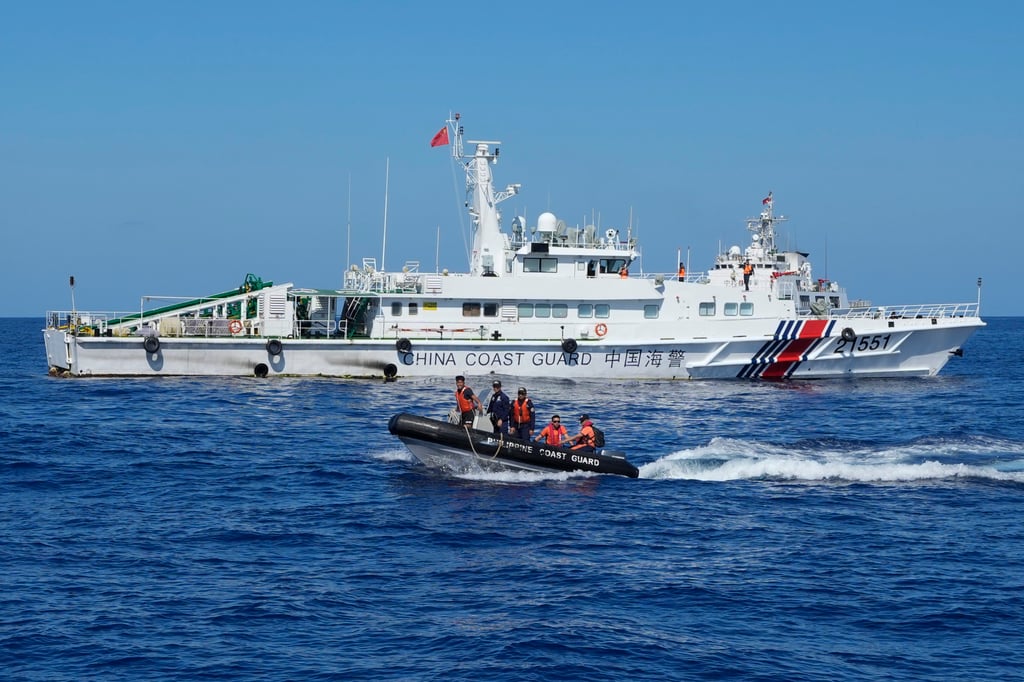
Observers and individuals familiar with the matter told This Week in Asia that uneven recruitment rules, possibly self-interest in boat ownership and past changes in foreign policy on China could have enabled the Chinese nationals to enter the PCGA.
Gavan, who assumed his post last October, earlier said at the March 20 hearing: “We did conduct an investigation. We went through intelligence and national security agencies of the [government], and we have delisted 36 of them.
“We did check on their compliance and standards set [for them], and we found out that they did not comply, so we initiated their delisting. They are now delisted.”
Gavan said volunteers were accepted into the PCGA “provided that they have secured national security clearance”.