Did Tokyo secretly allow US warships carrying nuclear weapons to dock at Japan’s ports during Cold War?
- The agreement contradicts Japan’s three non-nuclear principles in 1967 of never possessing, producing, or permitting atomic weapons on its territory
- Tokyo policymakers could have been driven by security needs and strong domestic opposition against atomic weapons when structuring post-World War II nuclear policy

Policymakers in Tokyo could have been driven by security requirements and a need to keep the agreement secret due to strong domestic opposition against atomic weapons when they framed their post-World War II nuclear policy, according to the historians.
The confirmation that successive Japanese governments turned a blind eye to the US government’s insistence of Washington having a nuclear capability in the region followed 20 years of research by Takashi Shinobu, a professor at Nihon University in Tokyo.
The bilateral agreement contradicted the establishment of Japan’s three non-nuclear principles announced in 1967 of never possessing, producing, or permitting atomic weapons on its territory. A 2010 investigation by the Japanese foreign ministry concluded there was never any secret agreement on nuclear arms with the US.
Shinobu discovered the documents in the US National Archives and Records Administration and the National Security Archive. They cover negotiations from 1958 to 1960, primarily involving Japanese foreign minister Aiichiro Fujiyama and US ambassador Douglas MacArthur, who presided over the surrender of Japan in WWII and was the country’s de facto leader from 1945 to 1951.
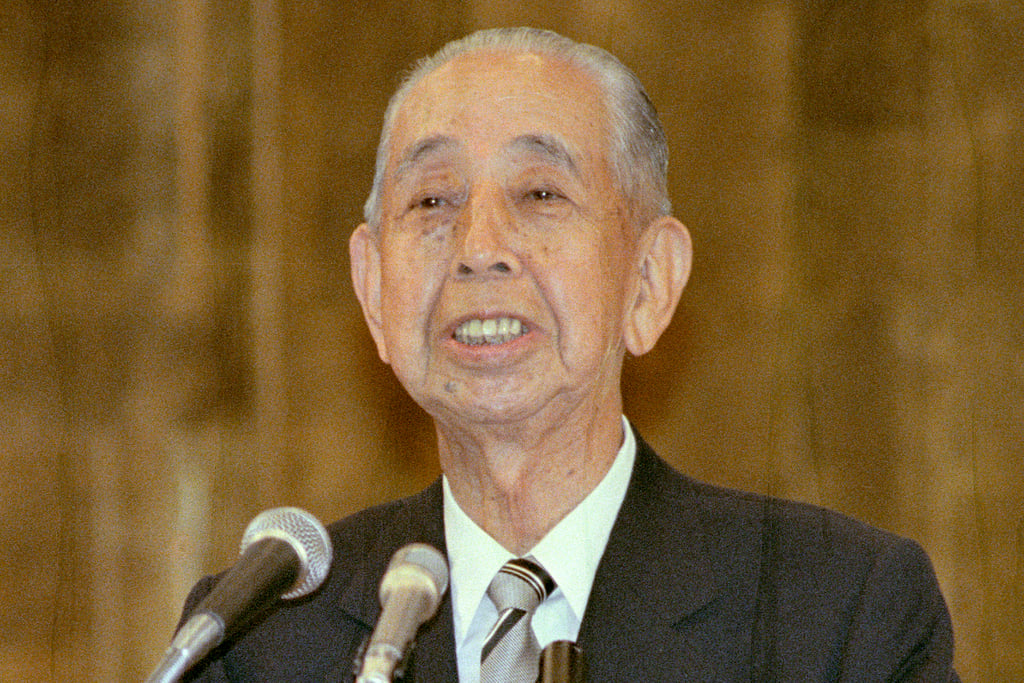
In February 1958, prime minister Nobusuke Kishi addressed the Diet, saying that Japan would not permit the US to bring nuclear weapons into Japan or its territorial waters. This policy would effectively reverse the previous tacit agreement with Washington, leaving the US at a military disadvantage against the Soviet Union in the Pacific.