-
Advertisement
The Philippines
This Week in AsiaPolitics

Violence, ‘credible’ signs of vote-buying mar Philippines midterm election: EU observers

The EU mission, invited by Manila, found ‘unacceptable levels of election-related violence’ and a legal framework in need of urgent reform

Reading Time:3 minutes
Why you can trust SCMP
2
Filipino protesters demonstrate against electoral fraud outside the Commission on Elections (Comelec) office in Manila on Tuesday last week. Photo: EPA-EFE
Sam Beltran
Vote-buying, entrenched political dynasties and deadly violence cast a shadow over the Philippines’ midterm election, according to European Union observers, who warned the country’s democracy faced serious structural challenges despite a strong turnout at the ballot box.

The May 12 poll, overseen by the EU Election Observation Mission (EU EOM) witnessed high turnout and robust media coverage, but also “unacceptable levels of election-related violence” and “credible indications” of vote-buying through cash, goods and partisan welfare handouts, the mission’s chief observer Marta Temido told a press conference on Wednesday.

Temido, a member of the European Parliament, said voters had shown “strong commitment to democracy and civic values despite the persistence of vote-buying” – a practice the Commission on Elections (Comelec) had only “partially addressed” through stricter regulations.
Advertisement
The EU deployed its mission following a formal request from the Philippine government, with observers monitoring campaign activities, voter turnout and security conditions across dozens of provinces.
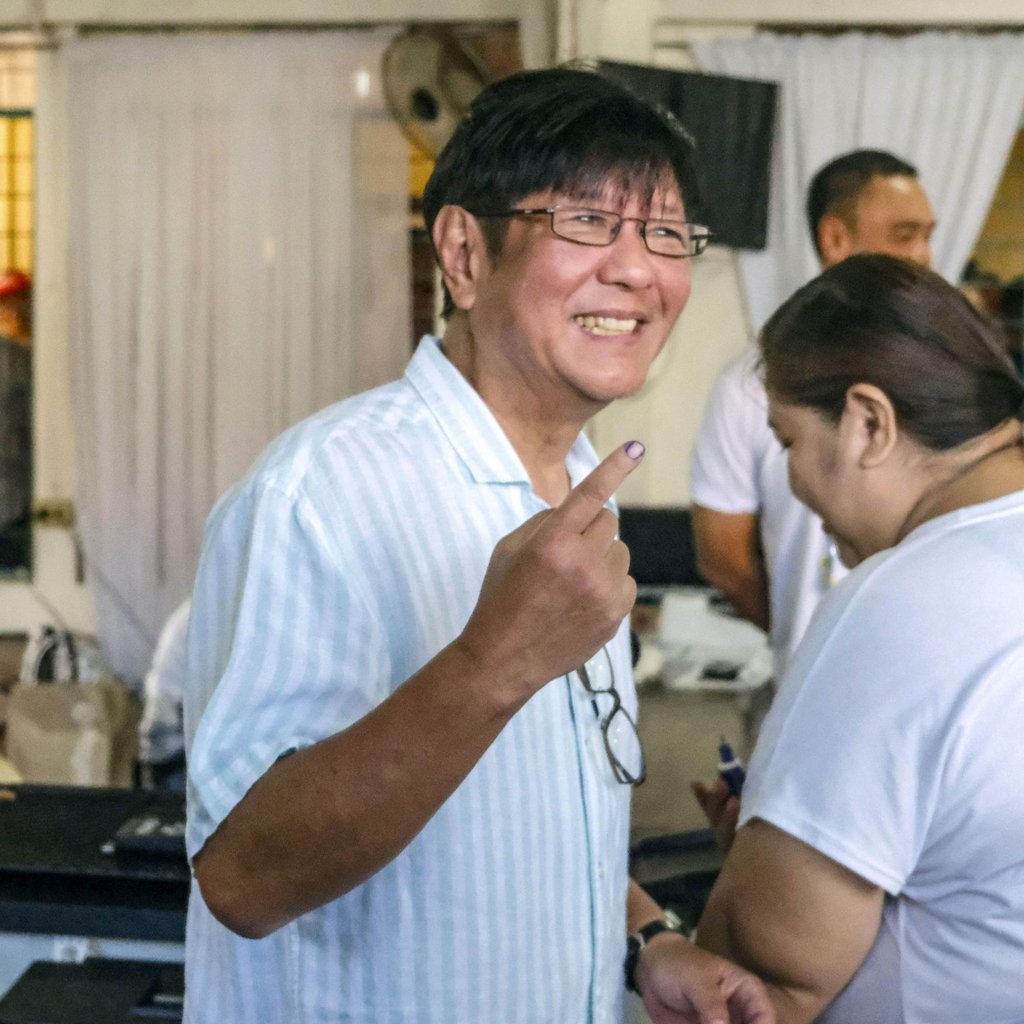
Philippine President Ferdinand Marcos Jnr shows his inked finger to the media after casting his vote in the country’s midterm election on May 12. Photo: Kyodo

Temido said the election had taken place against the backdrop of limited electoral competitiveness due to “the continued dominance of a few political families” and “subjective limitations on the right to stand”.

Advertisement
Advertisement
Select Voice
Select Speed
1.00x