Funding cuts for Japan’s North Korean schools reignite divisions over identity, loyalty
Chosen Soren has called for funding to be restored, saying Japan is ‘politically very unfriendly’ to the local North Korean community

Senior members of Chosen Soren – the pro-Pyongyang organisation representing North Korean residents of Japan – are “very angry and dissatisfied” and have urged Tokyo to restore funding for their schools, according to Choe Kwan-ik, former managing editor of the Choson Sinbo newspaper.
“Every year, local governments provide less and less financial support to our schools. We have been fighting for years to address this problem caused by the national and local governments, and we are finding that an increasing number of our Japanese friends are also now voicing their opposition to the policy,” Choe told This Week in Asia.
“But basically, Japan is politically very unfriendly to the North Korean community here,” said Choe, who now acts as an adviser to the publication and is active in supporting causes important to Chosen Soren.
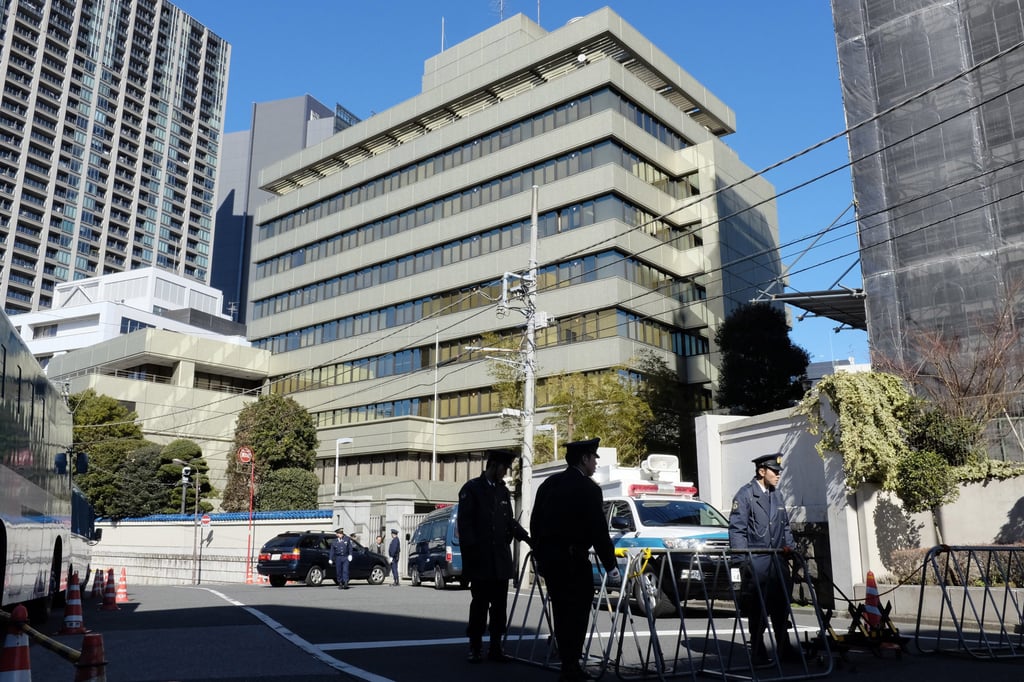
The organisation is a legacy of Tokyo’s colonial rule of the Korean peninsula between 1910 and the end of World War II in 1945, during which thousands of Koreans were brought to Japan to work for Japanese companies. After Japan’s surrender, many chose to stay, with their loyalties uncertain on the divided peninsula.