Advertisement
Thailand-Cambodia truce holds, but Asean faces ‘reality check’
While a ceasefire offers relief, the crisis has exposed the limitations of Anwar’s informal diplomacy and Asean’s foundational principles
3-MIN READ3-MIN
3
Listen

Five days of bloodshed on the Thailand-Cambodian border have revealed the limits of Asean’s influence and thrust Malaysian Prime Minister Anwar Ibrahim’s controversial choice of advisers into the centre of a diplomatic storm.
A smiling Anwar announced an unconditional ceasefire on Monday after days of gunfights, artillery barrages and air strikes had left at least 38 people dead and displaced more than 300,000 people on both sides of the border.
Each government has accused the other of instigating the worst violence in over a decade between the Southeast Asian neighbours.
Advertisement
By Tuesday afternoon, the fragile truce appeared to be holding, despite Thai military accusations of early breaches by Cambodian forces. But Anwar, as this year’s chair of the Association of Southeast Asian Nations, has since come under scrutiny for his controversial decision to appoint two heavyweight political figures from the warring nations – Thailand’s Thaksin Shinawatra and Cambodia’s Hun Sen – as his personal advisers.
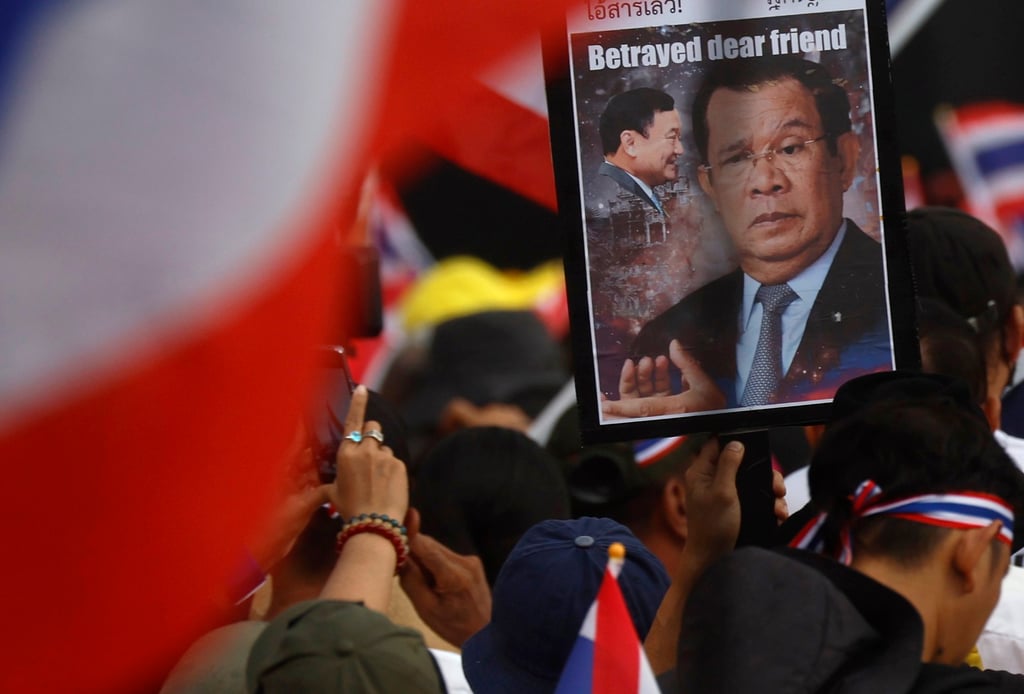
The polarising former Thai prime minister and Cambodian ex-leader, who was widely accused of human rights abuses during his four-decade rule, were appointed to much fanfare in December. At the time, Malaysia’s Foreign Minister Mohamad Hasan defended the move as necessary “to make sure we do not fumble along the way”.
Advertisement
Advertisement
Select Voice
Select Speed
1.00x