Bangladesh’s student leaders ‘sidelined’ by Islamist allies in poll pact
The party born of protests that toppled Sheikh Hasina now finds itself overshadowed by a resurgent Jamaat-e-Islami

Despite their central role in the uprising, the youth movement has been granted only a small share of parliamentary seats under a new electoral alliance led by Jamaat-e-Islami – an Islamist party that was long politically marginalised but has re-emerged as a central player.
Under the agreement, the student-led National Citizen Party (NCP) will contest just 30 of the 253 constituencies fielded by the bloc, compared with 179 reserved for Jamaat.
Analysts say the arrangement raises doubts about how much influence the youth movement will wield in governing the nation after the election on February 12.
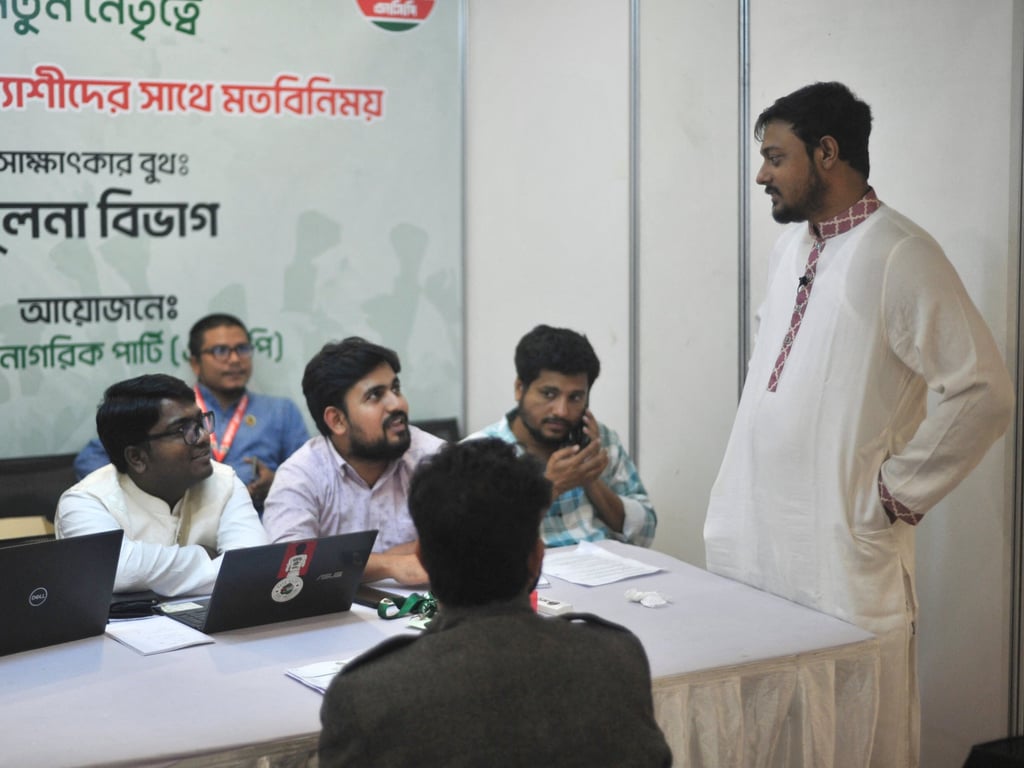
The small number of seats has raised concerns that those who once embodied the promise of political change are now being edged out just as the youth vote emerges as a decisive force, with nearly 40 per cent of the electorate aged between 18 and 37.