Will India warm to Russia’s bid to revive troika with China?
Analysts say New Delhi may see a ‘limited role’ for the Russia-India-China trialogue amid global tensions and competing priorities

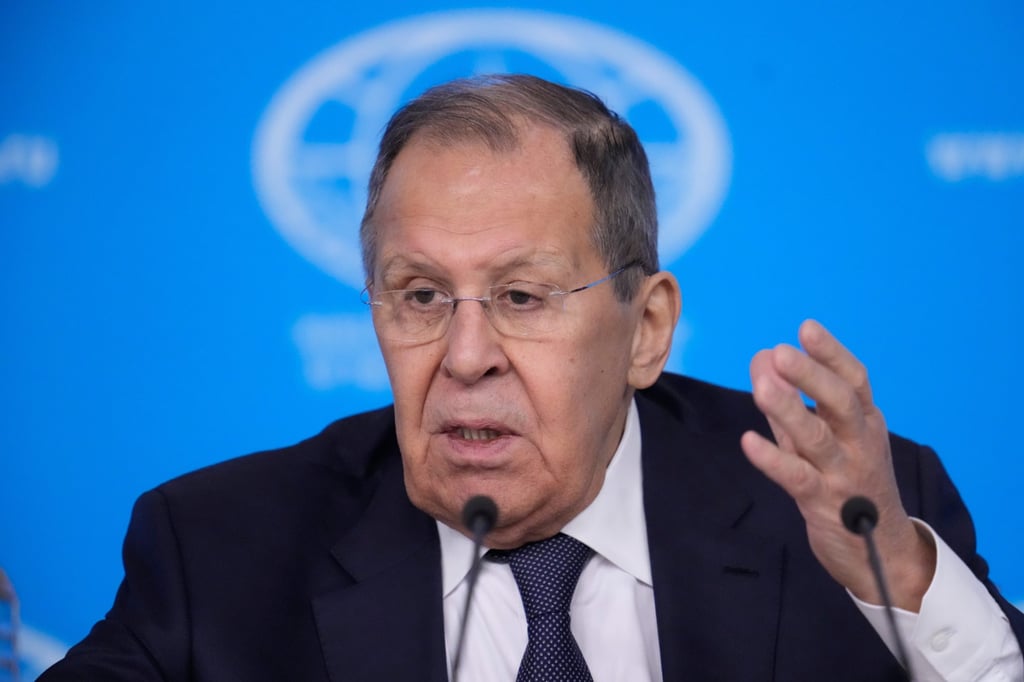
Russian Foreign Minister Sergey Lavrov earlier this month lauded Moscow’s bilateral ties with Delhi and Beijing, calling for the revival of the Russia-India-China (RIC) trialogue.
First mooted in 1998 by then Russian prime minister Yevgeny Primakov, the RIC has not taken off due to deep-seated geopolitical and strategic hurdles, particularly the Sino-Indian border tensions.
Addressing the annual press conference on January 20 reviewing the achievements of Russian diplomacy last year, Lavrov also made clear that multipolarity was “here to stay”.
He described Russia’s partnership with India as being of a “particularly privileged strategic nature”, adding that Moscow’s ties with Beijing were “unprecedented” in their level, depth and the “coincidence of positions” on regional and global issues.
“We need to activate the RIC trilateral format, which in a way is the foundation of Brics, a key element of a multipolar world,” Lavrov said, referring to a Russia and China-led grouping of mostly emerging economies. Brics has expanded its reach to full and partner countries, including those from the Middle East, Africa and Southeast Asia.