Advertisement
Canada wants a middle-power alliance. Will Asia-Pacific sign up?
While Canadian PM Mark Carney’s vision appeals to many, analysts say a lack of detail and divergent interests make a unified front unlikely
3-MIN READ3-MIN
6
Listen

Canadian Prime Minister Mark Carney’s call for middle powers to band together amid a fragmenting world order is a vision analysts say appeals to many Asian nations, but lacks a blueprint to bring them all together.
Speaking in Switzerland last month, Carney urged mid-sized and smaller countries to unite against the economic coercion of great powers, warning that nations failing to act collectively risked being “on the menu” rather than “at the table”, in a thinly veiled rebuke of the United States.
His speech at the World Economic Forum in Davos on January 20 drew a standing ovation, with Carney calling for a “third path with impact” and asserting that middle powers should push back against the use of tariffs and supply chain pressure as tools of geopolitical leverage.
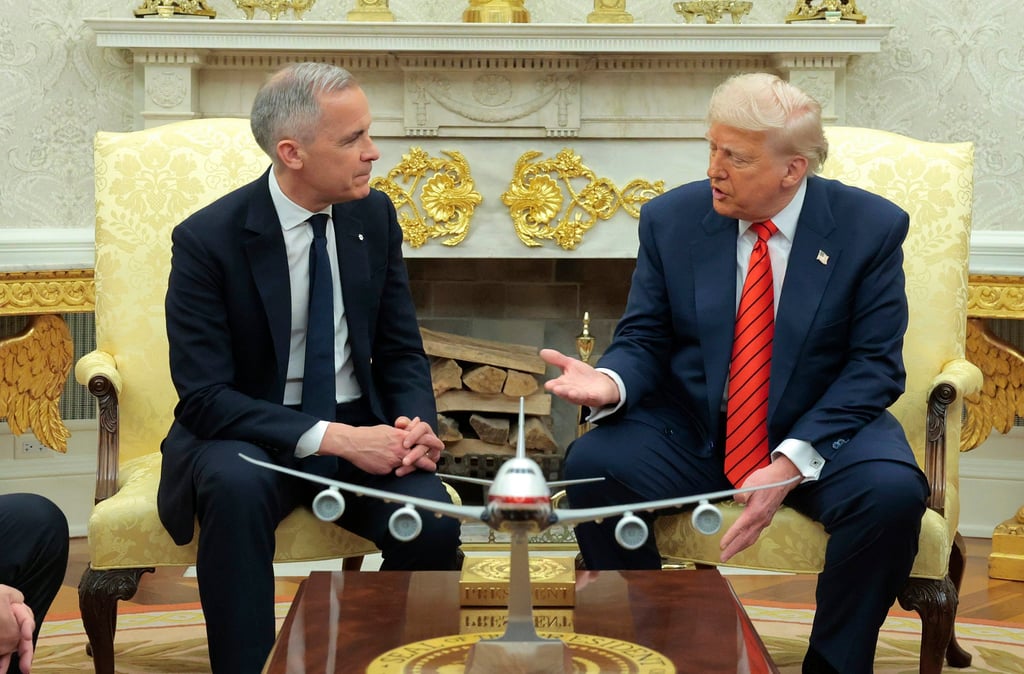
The subtext was unmistakable: US President Donald Trump has imposed escalating tariffs on Canadian goods, derided Carney as the country’s “governor”, and openly suggested absorbing its northern neighbour as America’s 51st state.
‘Devil in the details’
Despite the strong reception to Carney’s Davos speech, analysts say the Asia-Pacific’s middle powers – from Japan and South Korea to Australia, New Zealand and Indonesia – face political realities, divergent interests and security dependencies on Washington or Beijing that make unified action unlikely.
Advertisement
Select Voice
Select Speed
1.00x