Ignoring women jihadis in the ranks of Asia’s Islamic State a fatal mistake
Despite a clear willingness by radical groups to use women for their terrorist goals, authorities still do not see them as an important threat, experts say

When the local media reported the story of eight Indonesian women who managed to flee Syria last month having decided to join the Islamic State (IS) in Iraq and Syria just over a year earlier, the public was yet again served a gentle reminder of the powerful appeal the radical group has for women in Indonesia.
This is Islamic State’s instant messaging app of choice
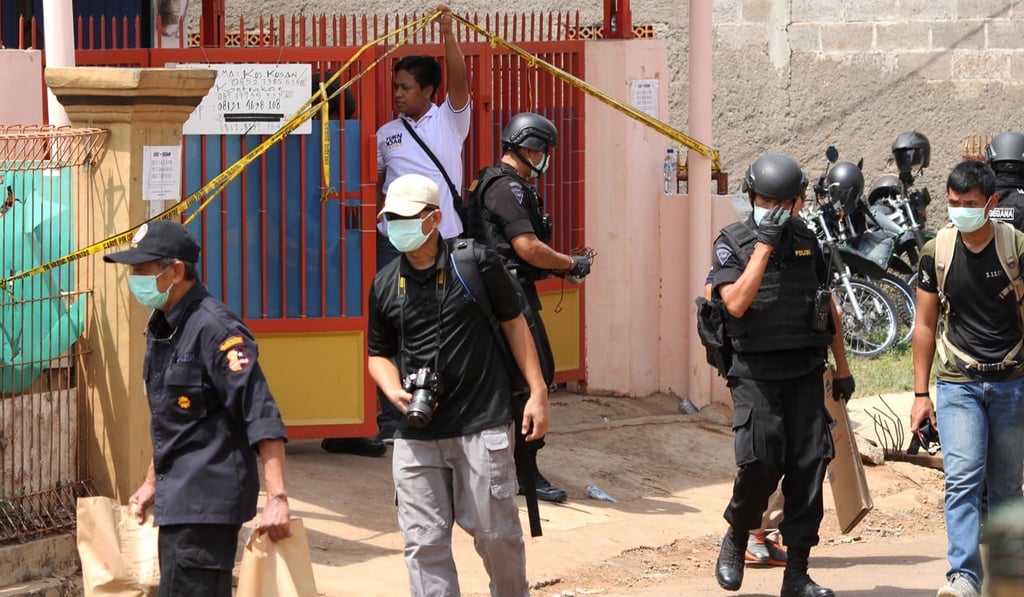
Just a few months earlier, the Indonesian police foiled IS-inspired suicide bomb attacks by Dian Yulia Novi in Jakarta on December 10, 2016, and Ika Puspitasari in Bali just a few days after. Before their arrests, the two had been set to become Indonesia’s first female suicide bombers.
In neighbouring Singapore, a woman has been detained recently for allegedly attempting to fly to Syria to join IS.
While the presence of women in radical groups is not something new, there has been a notable change in their roles and level of involvement. This change, according to women’s rights activist and gender researcher Lies Marcoes, is “frightening”.
When it comes to women and radicalisation, her words are to be noted. Through an organisation she leads called Rumah Kita Bersama, Lies has followed and interviewed 20 women who are or have been involved with “clear-cut” fundamentalist groups. “Independent”, “educated” and “well-referenced” are just some of the words she uses to describe these “new generations of women jihadis”.
“They want to be visible. They want to be seen. It is clear that they want to take part in the movements,” Lies told This Week in Asia.