In India, do not ever say ‘dengue’
In a country where doctors can get suspended for Facebook posts on health crises, ‘mystery fever’ is the preferred term to dodge government paranoia

In the 1990 film Ganashatru, director Satyajit Ray tells the story of a doctor who finds himself unemployed and ostracised when he speaks about the contaminated water supply in his town. The doctor traces the growing cases of jaundice and hepatitis in the town to the poison in the water. He gets blowback from the municipality, though the chairman is also the good doctor’s brother. The story was adapted from Henrik Ibsen’s play Enemy of the People set in a Norwegian resort, but Ray told The New York Times that it was relevant to India too. “It deals with topical problems,” he said.
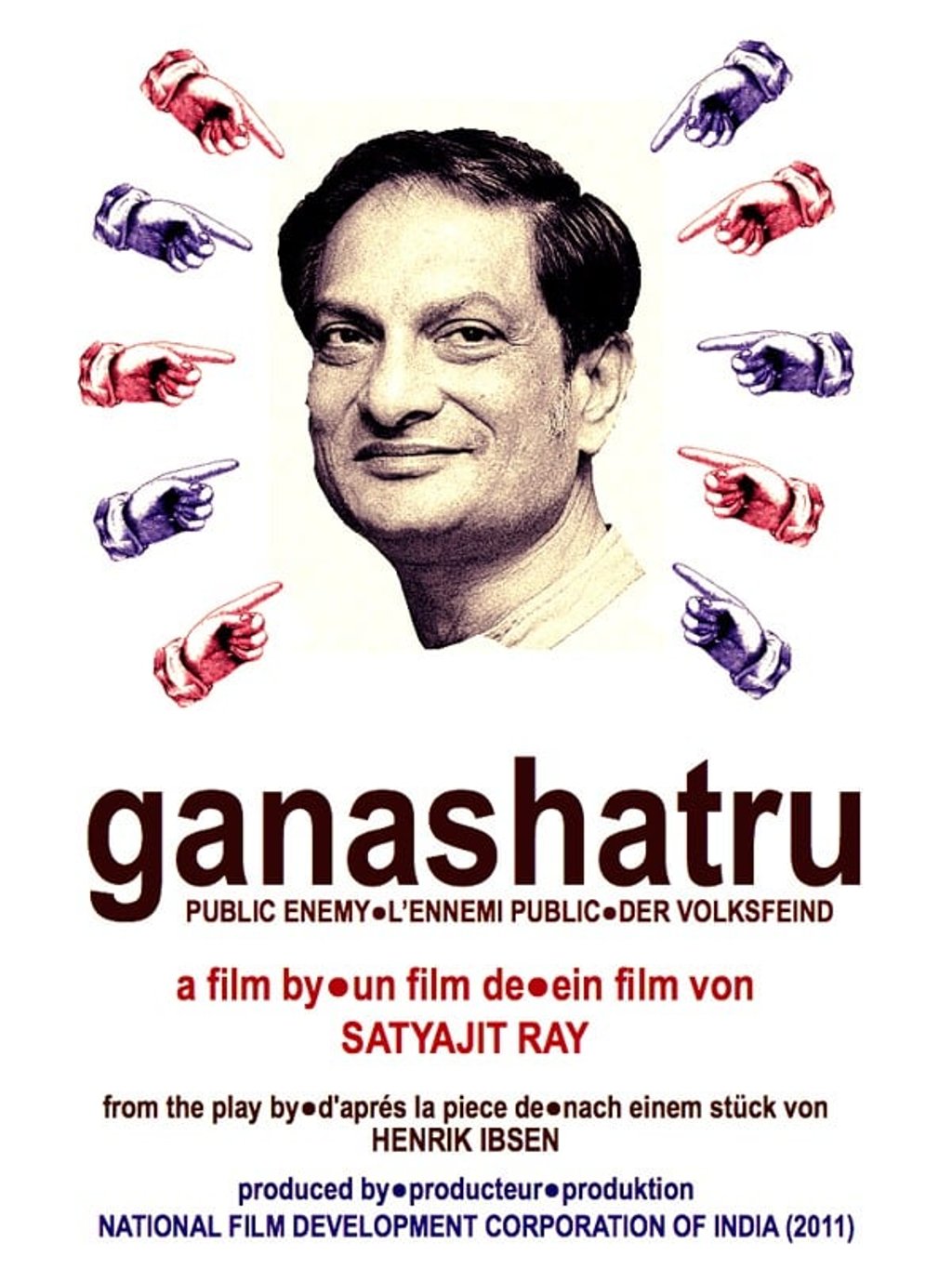
It would seem especially topical in Ray’s state of Bengal today, where reports of dengue deaths in the news have put the government in a state of denial. On November 10, a doctor in a government hospital in Barasat district was suspended for writing a Facebook post on the crisis.
“In the days when the number of patients admitted [in a day] was around 100, I knew it was a war,” wrote Dr Arunachal Choudhury in a long post titled “Hospital Journal” on November 8. “But today, when the number of patients admitted is near 500, I know the war is lost. The floodwaters have entered, there is no option but to be carried away with the water.
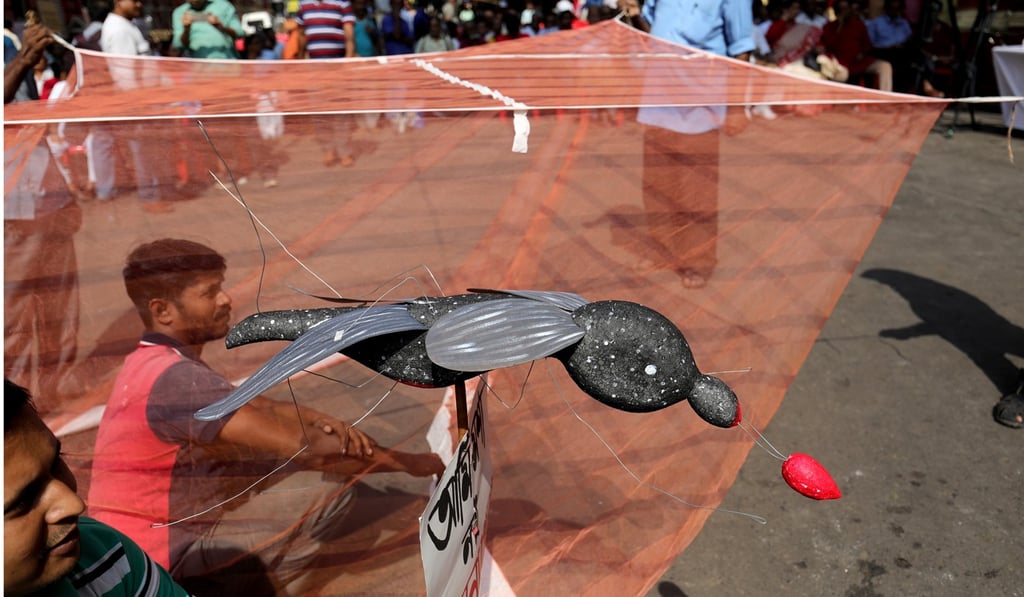
“On the death certificates, I write ‘not dengue’. There is no dengue in this state. Clever me … on the unfortunate dead man’s death certificate, I write fever with thrombocytopenia as the cause of death.”