‘Boys for Sale’: the dark world of Japan’s gay prostitution
Although technically not illegal, gay prostitution remains cloaked in secrecy, and a new film reveals the ‘boys’ themselves often have no idea about the health risks they are taking

It took the creators of the documentary Boys For Sale more than a year to fully win the confidence of the male prostitutes, owners of gay and lesbian bars and operators of the notorious urisen parlours that dot Tokyo’s 2-chome gay district.
Once they had been accepted – producer Ian Thomas Ash admitted the entire budget for the first year of the project was spent on alcohol to smooth introductions – the full seedy and contradictory nature of Japan’s commercial male sex scene was laid bare.
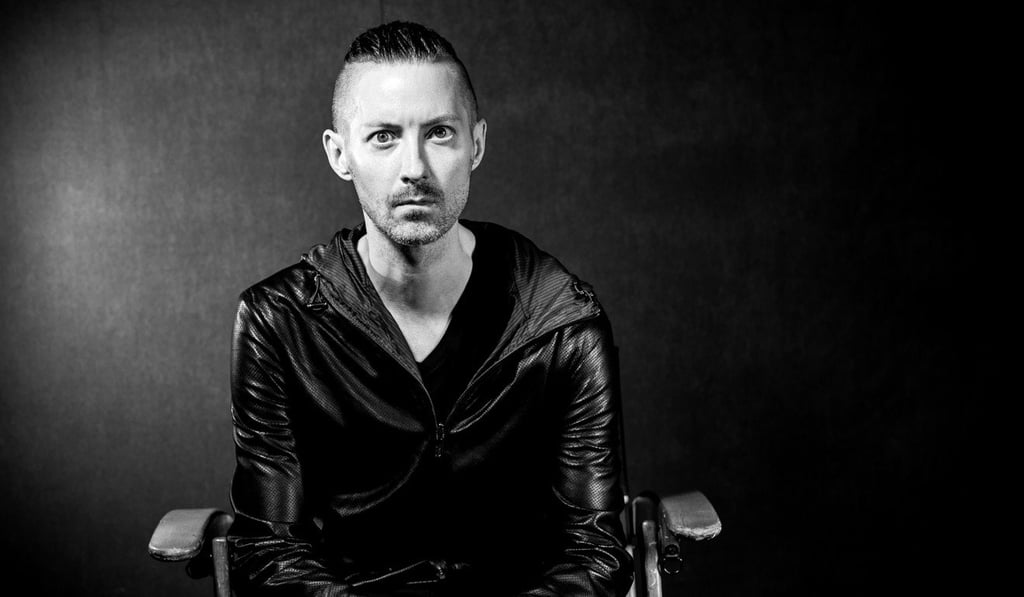
Boys For Sale has won four film festival awards this year in Los Angeles, South Africa, Mexico and Ecuador, and had its Japan premiere on November 26 as part of Tokyo Aids Week 2017. And Ash, who has worked on a number of hard-hitting documentaries in Japan in the past 15 years, admitted he was shocked at what he discovered during the making of the movie.
“We started working on the idea more than 10 years ago and the production process took four years,” said Ash, who was part of a six-person team that included director Itako and Adrian Storey, who served as director of photography.
Inside Japan’s host clubs: male geishas or just pretty men?
“We have all heard stories about how people end up as sex workers, although the vast majority tend to be female,” Ash told This Week in Asia. “And we also tend to think of sex work in a modern way, in which people understand the risks they are taking. But it quickly became very clear that was not the case with many of the young men in 2-chome.”