
Asian AngleThe museums behind the murmurs of a Southeast Asian renaissance
A batch of institutions that opened over the past decade are pushing boundaries in a region known for government censorship of art

Museums have always been both window and mirror: they provide a lens into our society while also functioning as a way to reflect upon our own lives.
They have played an outsize role in shaping culture, often with political purpose; the National Palace Museum in Taipei forms part of Taiwan’s claim that it is the “real China”, while the Vietnam National Museum of Fine Arts presents what it considers to be works exhibiting the “national character” of the country.
In Southeast Asia, such institutions have usually been dominated by the state, pushing a certain narrative forward.
That situation is quickly changing, with what may be a cultural movement sweeping the region.
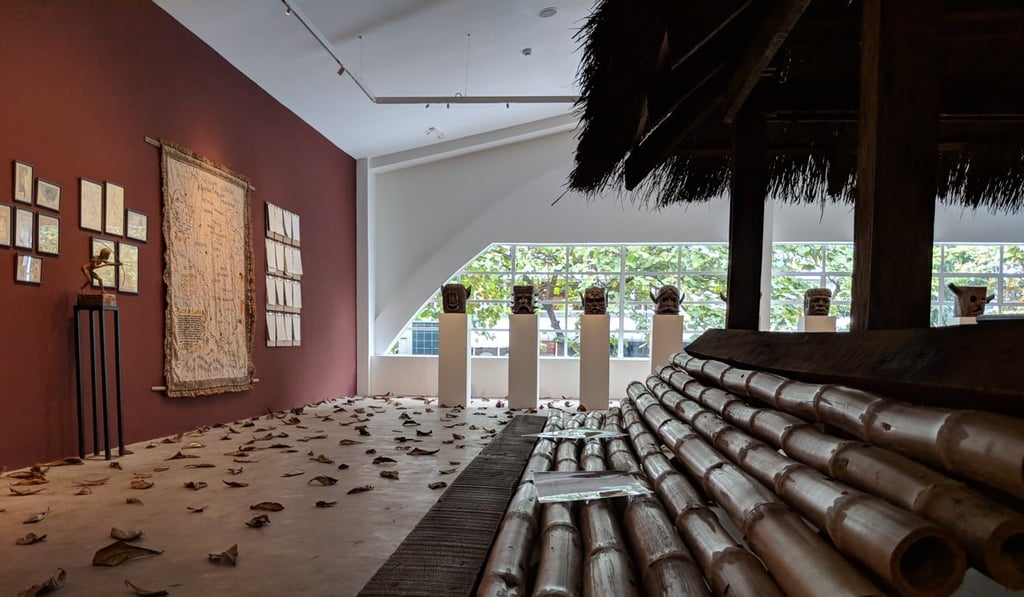
In the past decade, numerous private contemporary art collections open to the public have opened: The MACAN in Jakarta, Ilham Gallery in Kuala Lumpur, The Factory in Ho Chi Minh City, the MAIIAM in Chiang Mai, as well as Bellas Artes and the Pinto Museum in Manila, among others.