How Singapore made a giant of Chinese art, Chen Wen Hsi
- Guangdong-born artist Chen Wen Hsi forged a new kind of East-meets-West art when he emigrated to Singapore
- An upcoming exhibition at his US$11 million former home in Bukit Timah showcases his unique legacy

Bukit Timah is a swish Singapore neighbourhood where an inordinate number of roads are named after the kings, queens, duchesses and dukes of the former British Empire. A blue plaque on a bungalow at 5 Kingsmead Road, however, commemorates a different kind of history.
The plaque is bestowed by Singapore’s National Heritage Board, and although the round blue sign is discreet, its presence denotes a singular honour: this house is the only private residence in the country designated a historic site. It’s because it previously belonged to pioneering Singaporean artist Chen Wen Hsi.
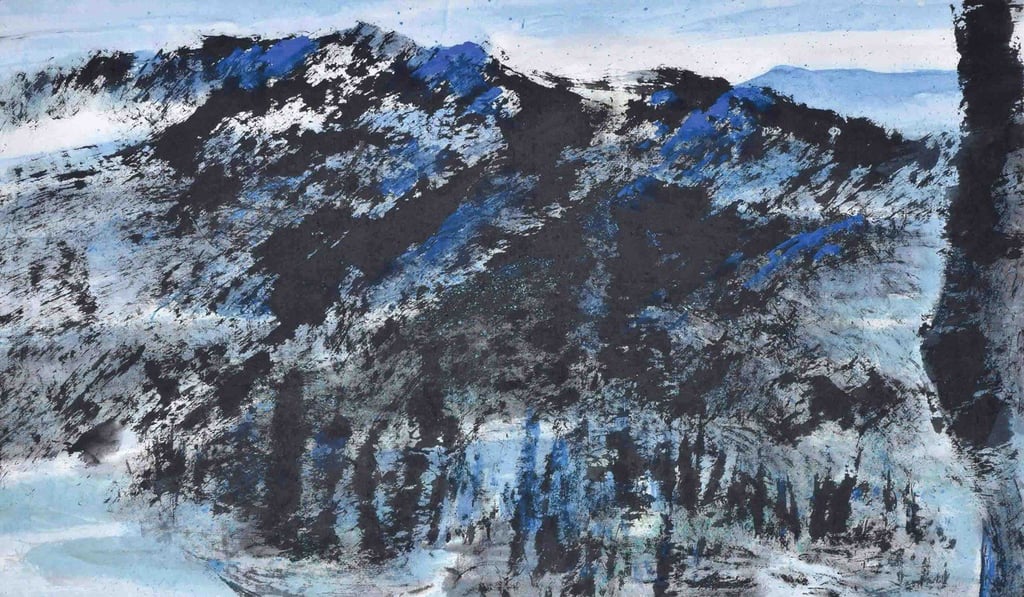
Born in Guangdong in 1906, Chen arrived in Singapore in 1947. He is a key figure in the Nanyang movement: a group of emigrant artists who fused traditional Chinese art training with Western styles and techniques such as Post-Impressionism and cubism. The work of these artists today attracts keen and growing interest among Asian collectors, with Chen’s oil on canvas painting Pasar fetching a record HK$13.24 million (US$1.7 million) at a Sotheby’s Hong Kong auction in 2013.
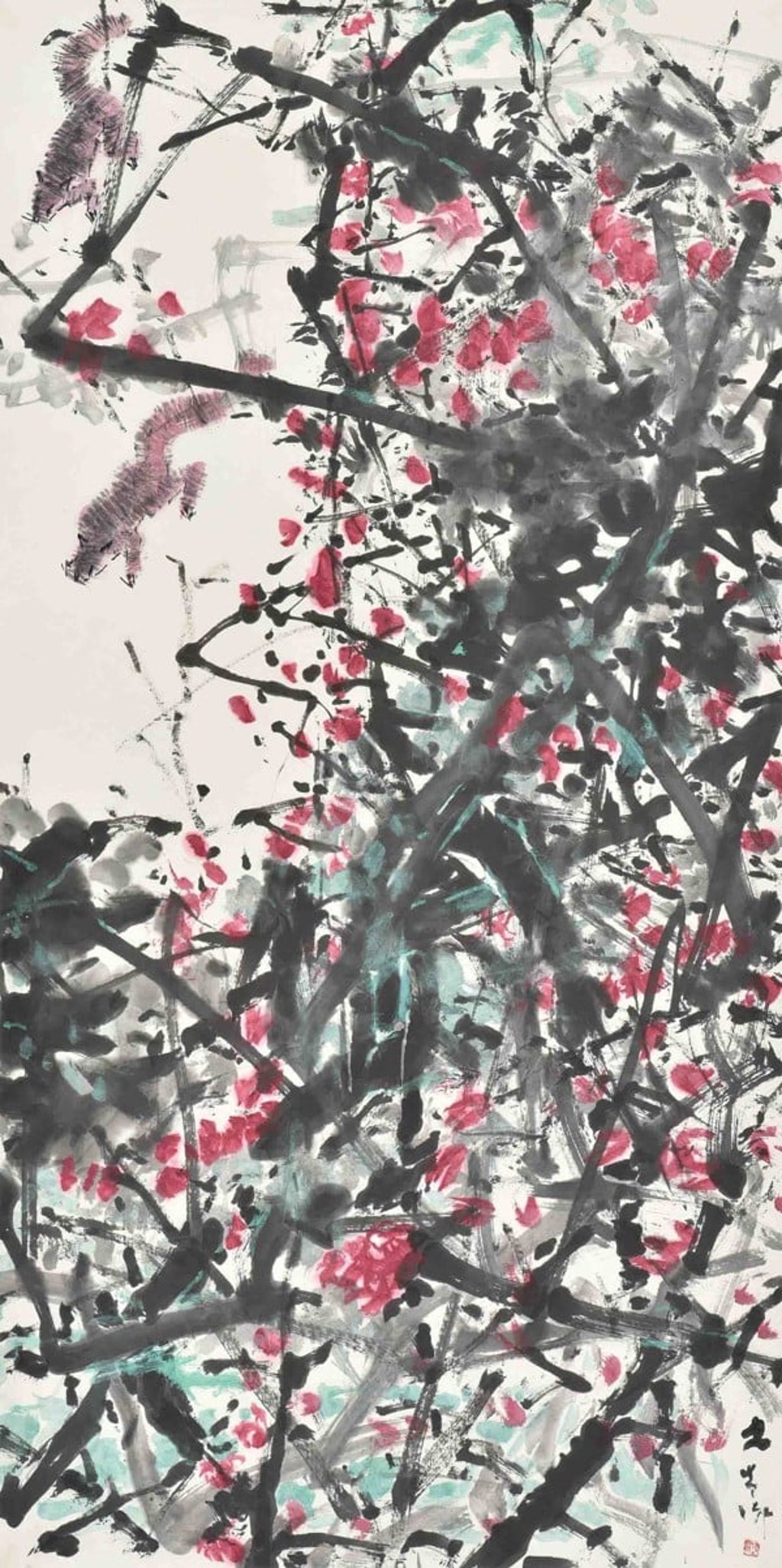
From the early 1960s until his death in 1991, Chen lived at 5 Kingsmead Road. For decades, he taught art at The Chinese High School, which was nearby, and also held lessons in this house; in the garden, he kept a menagerie of animals, to better capture their essence in his paintings.