Why are lonely Asians turning to robots for friendship?
- From Japan to Hong Kong, robots are taking over yet another human job: providing companionship
- While synthetic seals and pillows that wag their tails may have a role to play in ageing societies, some wonder if this new relationship isn’t entirely healthy
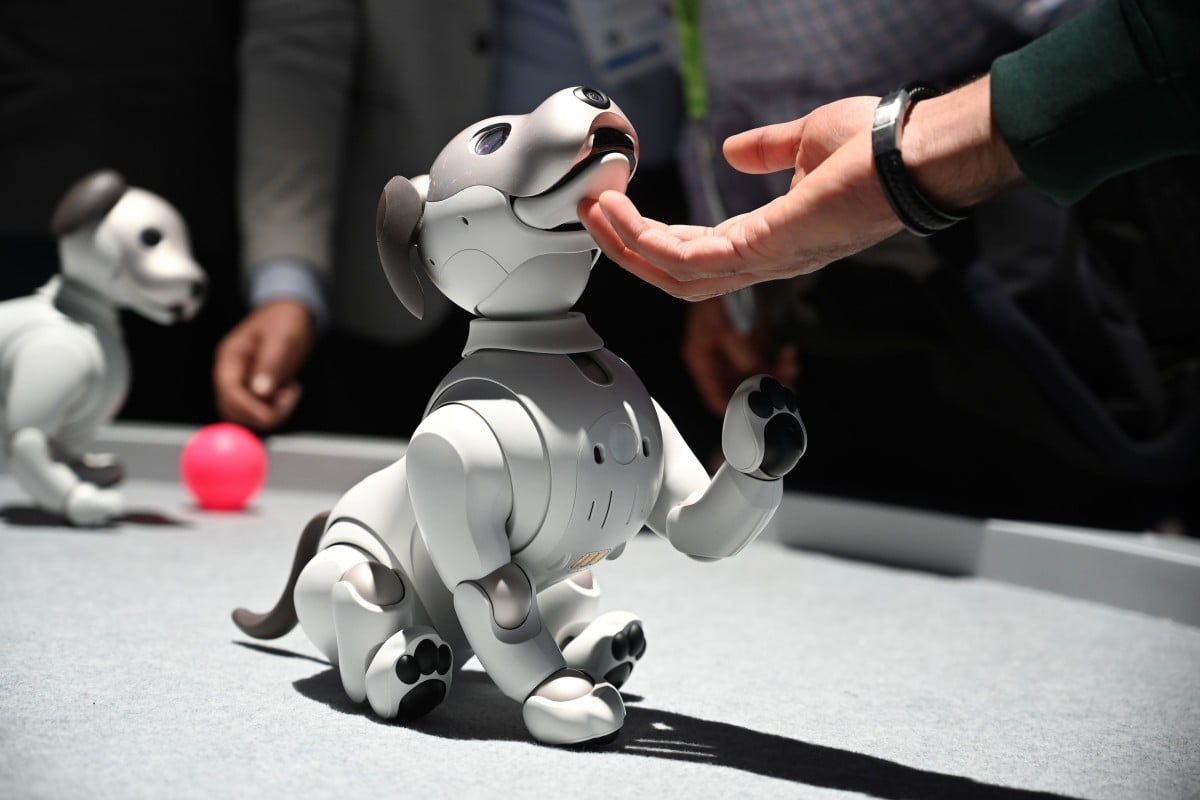
Less expected was the emotional attachment that some Japanese users began to exhibit for their cleaning machines – from giving the devices endearing nicknames, to sharing photos of what they called their “cute pets” online and even forming Roomba-appreciation chat groups to celebrate the newest “addition” to their families.
A handful of robot makers and entrepreneurs such as Shunsuke Aoki, founder of Tokyo-based robotics company Yukai Engineering, took notice of this phenomenon.
Why Japan’s ageing population is dying alone
“Loneliness is a big problem in Japan, even among younger generations,” said Aoki, whose company sees “a lot of potential for social robots”.
“People get lonely, and although you can use smartphones to interact with other people – it’s mainly visual … In conversation, only 40 per cent of the information is conveyed through language, the other 60 per cent is non-verbal.”