Deadly attacks in Japan shine a light on the country’s modern hermits, known as hikikomori
- Support groups for the estimated 613,000 people aged between 40 and 64 who are socially withdrawn were quick to respond, criticising unfair coverage
- There is generally greater concern about the mental health of the older age hikikomori as the parents who have been caring for them are in old age

Hideaki Kumazawa was previously ambassador to the Czech Republic and also served as a senior bureaucrat in the agriculture ministry. He told police his son, Eiichiro, had started to complain about noise from a nearby junior school and he feared he might act “impulsively” and attack people, local media quoted authorities as saying.
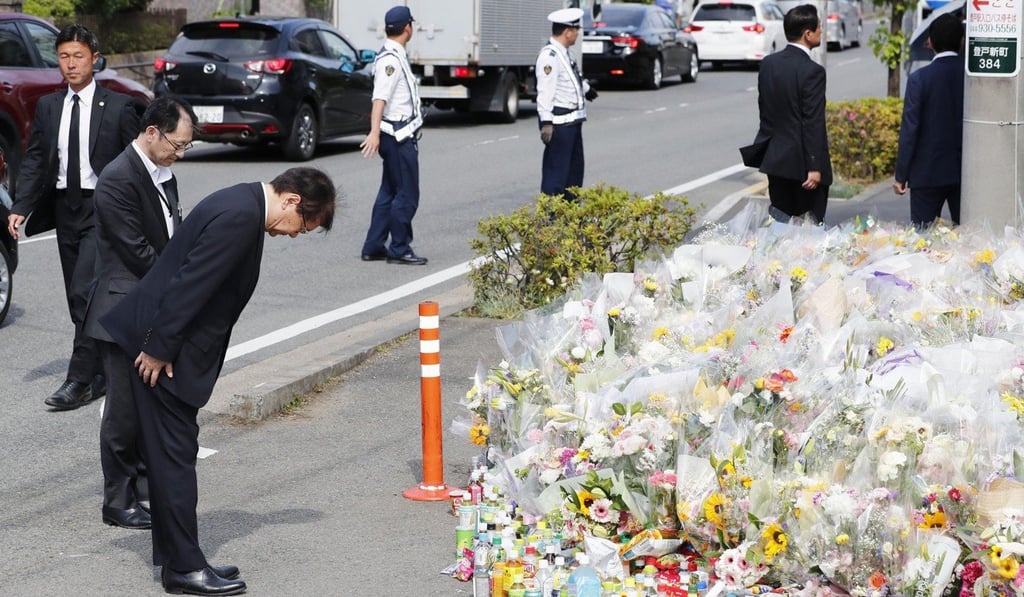
The incident occurred just days after an apparently random knife attack against 19 schoolchildren and parents in the Tokyo suburb of Kawasaki left three people dead, including the assailant, 51-year-old Ryuichi Iwasaki. The crime prompted some Japanese media to focus on the attacker’s mental health and the phenomenon of hikikomori – the Japanese word for loners or “modern-day hermits”.
In turn, support groups for the estimated 613,000 people aged between 40 and 64 who are socially withdrawn were quick to respond. The Hikikomori UX Kaigi organisation released a statement expressing concern about prejudicial coverage that further isolates already reclusive people.
“Every time a person who has tended to withdraw is involved in a criminal case, the media combines their withdrawal with the crime and repeatedly bring up negative images,” the group said. “[Such coverage] deeply hurts hikikomori who have nothing to do with the incident and promotes misunderstanding and prejudice.”
Yurie Taguchi oversees the Saitama branch of KHJ, a national support group for families of hikikomori. She agreed unwarranted or unfair coverage could be damaging.
“Through reading media coverage, some people can easily reach the conclusion that all hikikomori are dangerous, but the vast majority of people struggling with this situation are just not like that,” said Taguchi, whose 44-year-old son is a hikikomori.