Advertisement
Kim Kardashian isn’t the first Westerner to sexualise Japan’s kimono. And she won’t be the last
- Japanese cultural products, including the kimono, were exported to the West in the 1860s as the country started to modernise
- After the war, the US sought to feminise and corrupt perceptions of Japan by associating the traditional garment with prostitution and servile femininity
4-MIN READ4-MIN
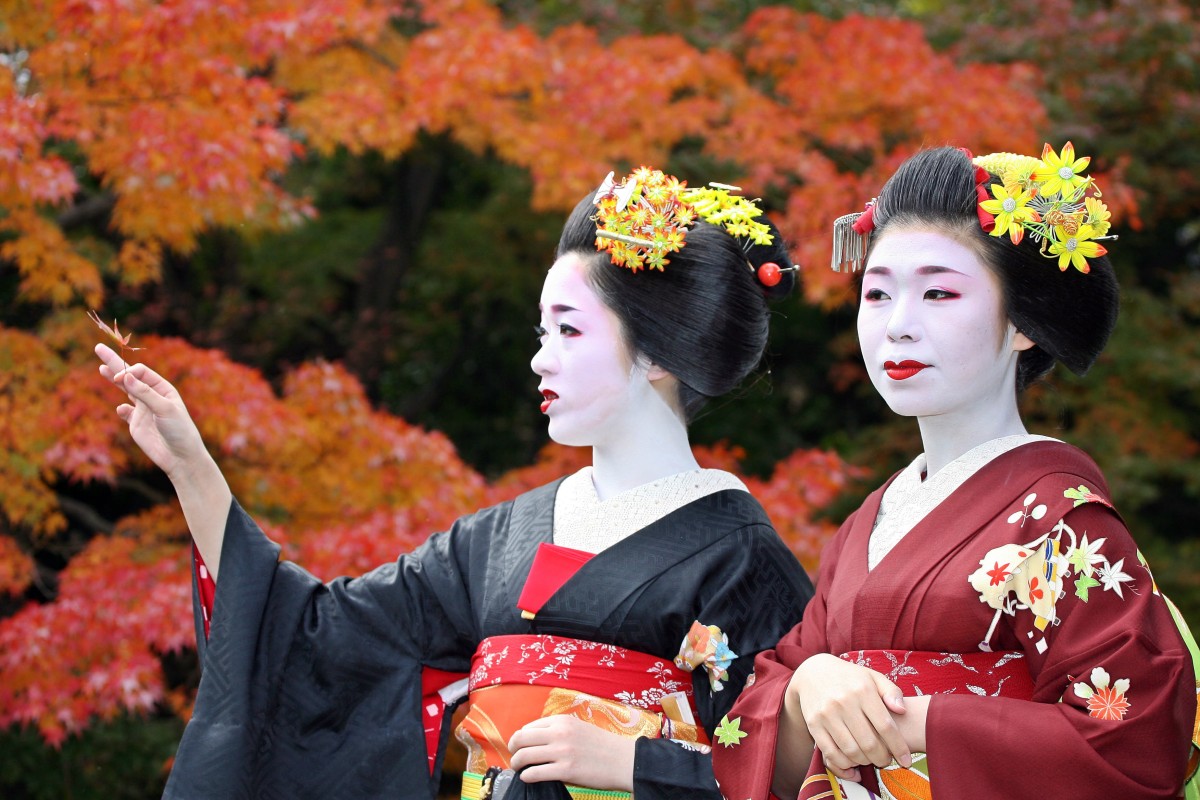
Last week, Kim Kardashian West was forced to relinquish the name “Kimono” for her new line of shapewear after Japanese netizens – and even the government – criticised her for appropriating the country’s traditional garment.
Social media users chastised Kardashian West for linking the word to lingerie or innerwear.
But Kardashian West – whose family has been accused of other incidents of cultural appropriation, often black culture – is not the first Westerner to do this, and she won’t be the last.
A search for the word “kimono” on US shopping sites such as Amazon reveals hundreds of thousands of silky robes and long, gauzy cardigans, oftentimes decorated with orientalist motifs.
Advertisement
Yumi Mizuno, 29, a freelance translator based in Tokyo, said she learned only recently that people in the United States had a different understanding of what kimonos were.
“I was confused at first and had no idea why [Kardashian] named her line ‘Kimono’, because the series had nothing to do with Japanese kimono,” she said.
Advertisement
After Googling “kimono” and finding pages upon pages of lingerie, she said, “I realised the seriousness of this misunderstanding”.
Advertisement
Select Voice
Select Speed
1.00x