Advertisement
Video game powerhouse South Korea braces for WHO gaming addiction classification
- The country has experience trying to curb problem gaming, with a 2012 law to ban children under 16 from playing games online between midnight and 6am
- But the classification of ‘gaming disorder’ as a disease could wipe billions off the games industry’s value, according to one estimate
3-MIN READ3-MIN

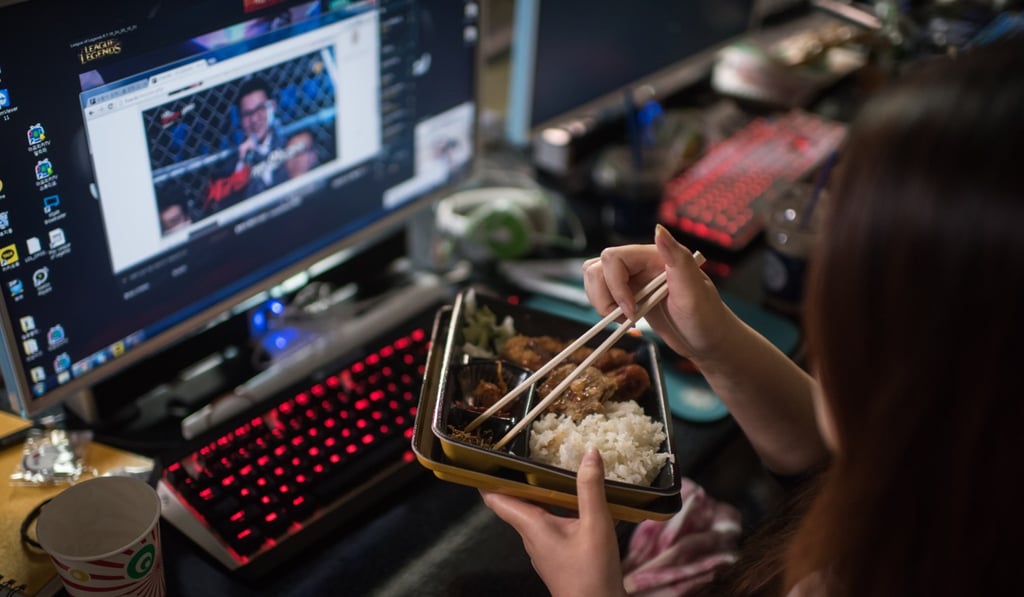
In South Korea, video games are big business. Some professional gamers are now so famous that they have become household names and gaming contributed more than 13 trillion won (US$11.2 billion) to the economy last year, according to the Korea Creative Content Agency.
But a recent decision by the World Health Organisation has some in South Korea’s gaming industry worried. In May, the Geneva-based body voted to officially add “gaming disorder” to its International Classification of Diseases, describing it as a pattern of behaviour in which the player has “impaired control” and gives priority to gaming “over other activities to the extent that gaming takes precedence”.
Advertisement
The change isn’t expected to come into effect until 2022 at the earliest, but Seoul has already formed a committee of government officials, doctors, representatives of civic groups and industry leaders to investigate how the decision can be implemented.
Han Ki-wan, a researcher at the state-run National Centre for Mental Health, said it was unlikely that the committee would “come up with completely different standards on gaming disorders than what was decided upon by the WHO”. And the economic impact of those standards’ implementation could be huge.
South Korea has experience trying to curb problem gaming. In 2012, a law was introduced to ban children under 16 from playing games online between midnight and 6am.
Advertisement
Select Voice
Select Speed
1.00x