Abandoned in Assam: India creates its own Rohingya, and calls them ‘Bangladeshi’
- Mass statelessness looms for millions after harrowing, often fatal, citizenship test to find illegal immigrants
- Project to showcase Hindu primacy threatens to disenfranchise both Hindu and Muslim Bengali speakers

Feeding the panic, a state-owned bank was found burning its stock of cash to prevent it from falling into Chinese hands, and a district administrator reportedly freed the inmates of a mental asylum before fleeing the town himself. Locals recount the inmates raising pro-China slogans, thinking the Chinese army had freed them.
It did not help that then prime minister Jawaharlal Nehru, in a November 20 radio address to inform the nation of Indian losses, said his “heart goes out to the people of Assam”. There couldn’t have been a surer sign of New Delhi preparing to concede Assam. But as Assam counted down the hours to certain doom, Beijing suddenly announced a unilateral ceasefire and began to pull back. The war ended just as unexpectedly as it started a month before, and Assam’s place in India was secure again.
But Suro Debi’s struggle to ensure hers was only beginning.
One morning, in the closing days of the war, Mukti Debi, a slum dweller in the Assamese capital Guwahati (then called Gauhati), found a newborn girl lying abandoned by the road. Mukti took her home, named her Suro, and raised her as her own. When Suro entered her teens, she fell in love with Kamini Singha, a local carpenter. They married, set up house, and had a daughter. Kamini, however, died young, leaving an unlettered Suro to fend for herself and her five-year-old.
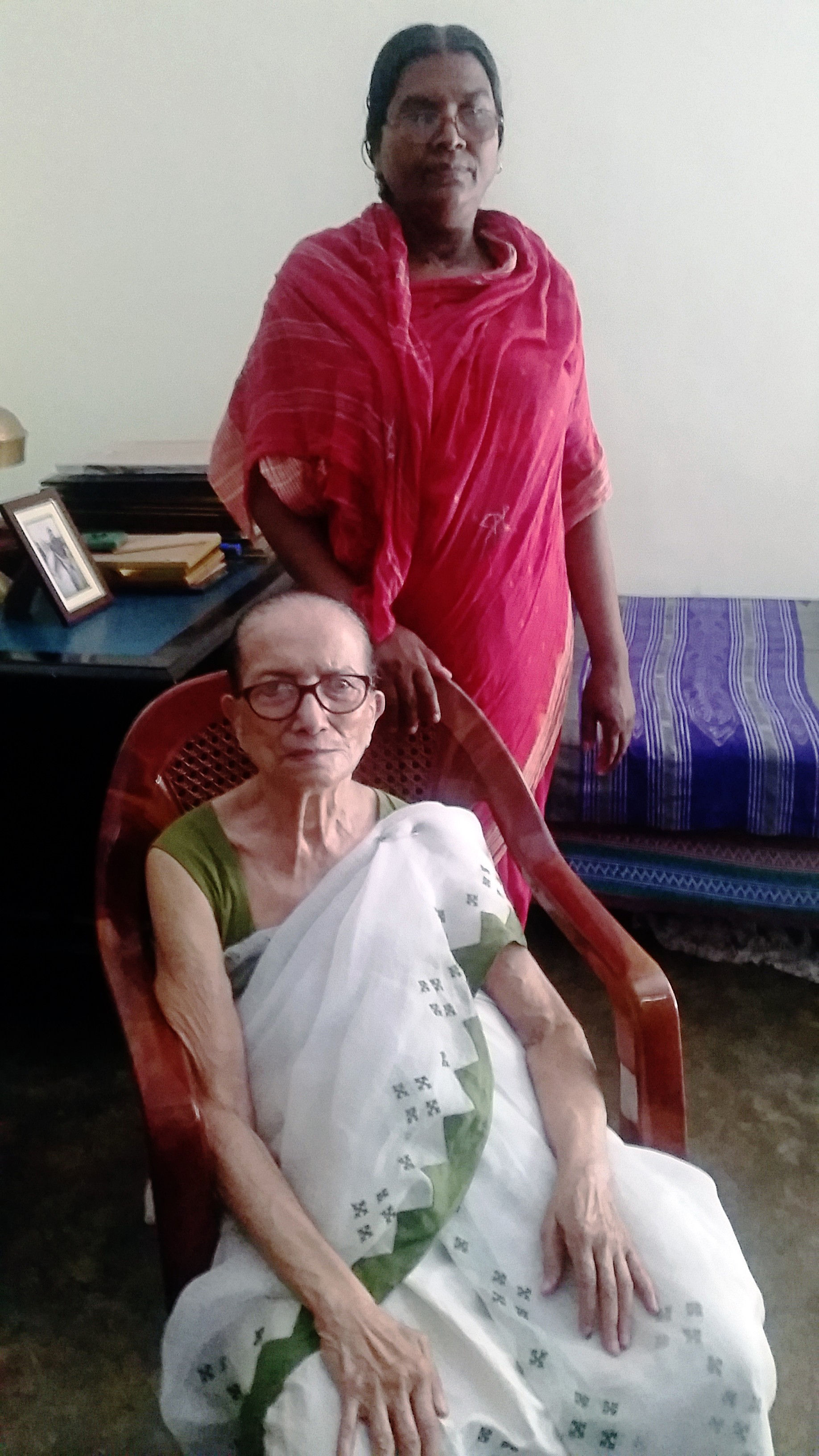
She began to work as a domestic helper and came to know the Guhas. Amalendu Guha, a famous historian, and his wife Amiya, also a noted academic, had just returned to Assam after teaching stints in different parts of India. Suro started working for them, and, over the years, began to live with the Guhas as a carer. When Amalendu passed away, she became Amiya’s full-time attendant, and the daughter Amiya never had. With her own daughter having married and settled down, life had smiled on Suro again. She had again managed to find a home – but a homeland was a different matter.