Why China loves Jane Eyre, whether as a feminist manifesto, a history of colonialism or just a simple children’s bedtime story
Charlotte Brontë’s classic 1847 novel Jane Eyre was first published in Chinese as an abridged version in 1925. But it was the secret dubbing of the 1970 film during the Cultural Revolution where its story in China really started

Jane Eyre is huge in China – some say the novel is even more popular there than in its home country of England.
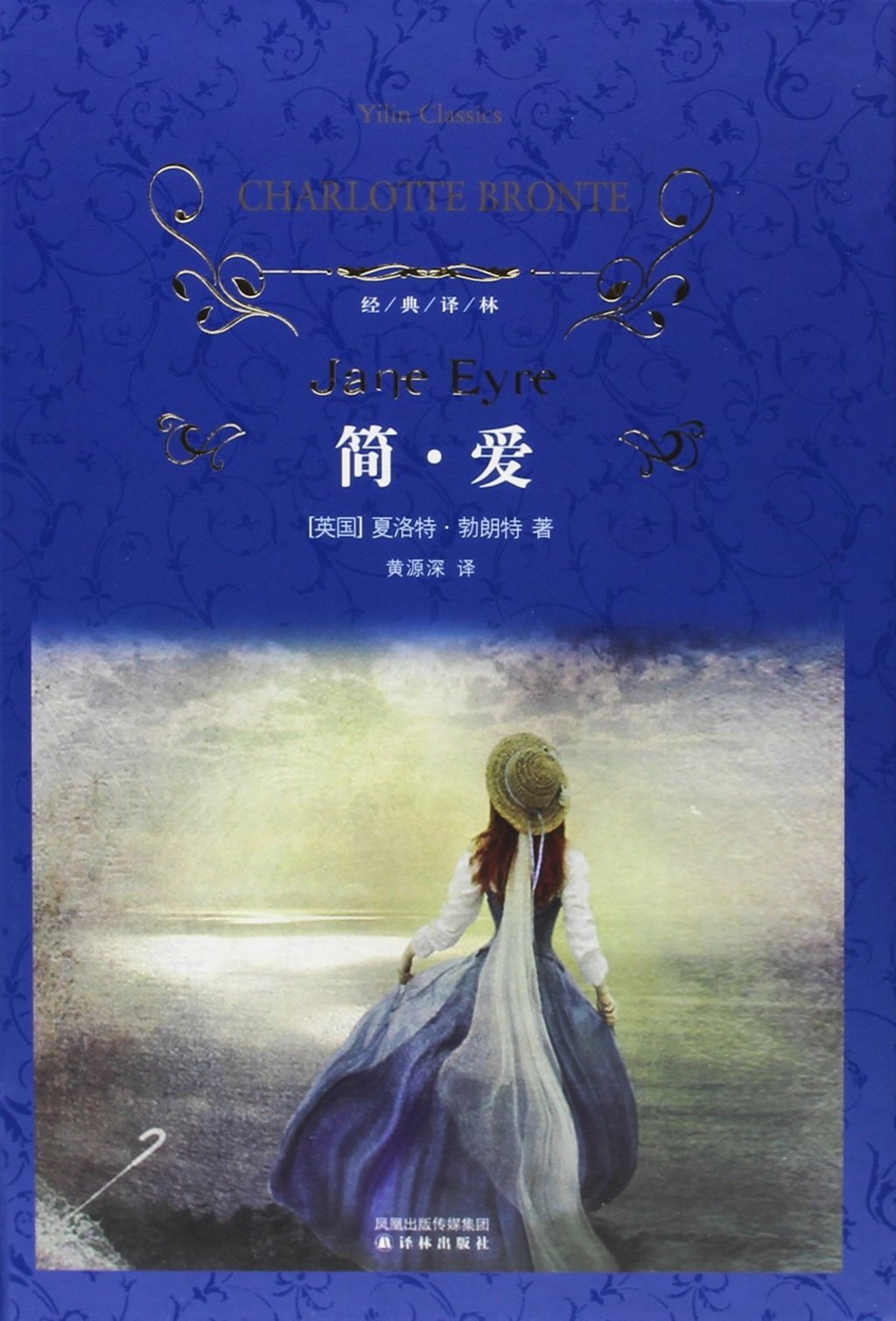
The novel, written by Charlotte Brontë in 1847, has been translated into Chinese multiple times and released in bilingual, illustrated, abridged and simplified editions, as pocket books and e-books, and as children’s bedtime stories.
The story of a martyr in Mao’s China: executed and her family billed for the bullet
The book is taught in Chinese schools and has been adapted into a long-running stage play and a Chinese opera. There are even historical romance manga inspired by governesses such as the novel’s eponymous main character that are popular on the mainland and especially in Hong Kong.
Last month, Brontë’s original hand-written manuscript went on show in Shanghai. The exhibition – which also included other treasures of English literature such as personal letters by T.S. Eliot and D.H. Lawrence, a draft of Charles Dickens’ Pickwick Papers and another of Percy Bysshe Shelley’s sonnet to Lord Byron – drew 20,000 visitors in a month. The show was part of a three-year programme by the British Library to foster dialogue and connections between China and the UK.
“We would like to enrich and expand our collaboration with China,” says Jamie Andrews, head of culture and learning at the British Library. “Our British collection is known and enjoyed there, and museums and libraries are opening up. There’s a huge demand for exhibitions and partnerships.”