
Good luck to NASA’s ‘planetary protection officer’...you’ll need it!
The US alone spends a staggering US$130 billion a year on trying to minimise the threat from invasive species – but is it all in vain?

My fascination with the challenge we face from invasive species was wrenched to a wholly stratospheric level last week when I learned that NASA is offering a salary of up to US$187,000 for a “planetary protection officer” tasked with protecting the world from alien invasion.
I don’t know whether to be in awe of the mission, or appalled at the naivety. Given the marvellous job we have done here on Earth protecting our various nations from animal, insect and plant invasions, I am intrigued to know what a single NASA employee is going to achieve.
In the US alone, officials say that fire ants cost the economy about US$7 billion a year in terms of damage, and control
And this ignores a single, massive “Catch 22” at the heart of all efforts to prevent species invasion: that we human beings, now numbering more than 7 billion, are the single most significant invader worldwide, and are the principle vector for most other species invasions. If we are the policemen, who on Earth (or across the universe) is going to police the policeman?
Even before reading about NASA’s hunt for a planetary protection officer, my interest in the problems of species invasion had been piqued over the past month by other factors. Last week, travelling close to the awesome wildfires sweeping across the mountain forests of British Columbia, Canadian friends reminded me of the critical role played by north Asia’s Emerald Ash borer, which has eaten into and killed millions of Canada’s forest trees, leaving them tinder dry and vulnerable to any passing bolt of lightning.
That invariably led on to complaints and hand-wringing over a long list of invaders – from European green crabs and zebra mussels, to Gypsy Moths and Asian Longhorn beetles (which are jeopardising the Canadian maple syrup industry), to purple loosestrife marching across the countryside, and the delectably named “rock snot”, or didymo, whose slimy mats make rivers look horribly polluted.
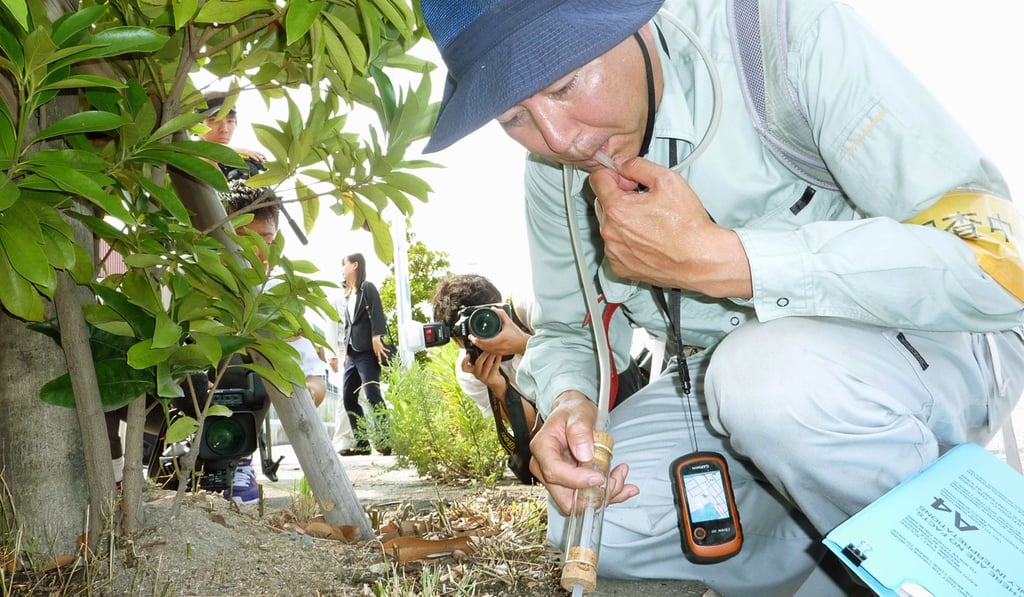
I remember writing just over a year ago about these venomous aggressors launching a reign of terror over large tracts of Hong Kong village land, but don’t so far see any big dollars being spent to purge them. It seems we in Hong Kong tend to “Keep Calm and Carry On” – unlike the Japanese, who are seeking advice from New Zealand and Taiwan on eradication programmes including sniffer beagles and pesticide-laden drones.