
MacroscopeThe US dollar’s fall could become a self-fulfilling prophecy
Evidence of rising Asian central bank reserves could be the catalyst for another leg down in the US dollar

Evidence of rising Asian central bank reserves could be the catalyst for another leg down in the US dollar. The currency markets may rationally conclude and react to the notion that such accruals will be accompanied by reserve diversification, as the central banks sell some of their new holdings of the greenback for other major currencies.
If Asian central bank reserves continue to rise in the coming months, the narrative of US dollar weakness might become self-sustaining
Of course, geopolitical concerns could intrude on market sentiment but even then investors make rational, if hurried, decisions. As rising tensions in the Korean peninsula re-emerged last week, the currency markets were quick to look for safe havens, selling US dollars against, among others, the Swiss franc.
But those decisions are by definition reactive whereas for most of 2017 the currency markets have been pro-active in selling the US dollar, and as the greenback has fallen, Asian central bank reserves have been increasing.
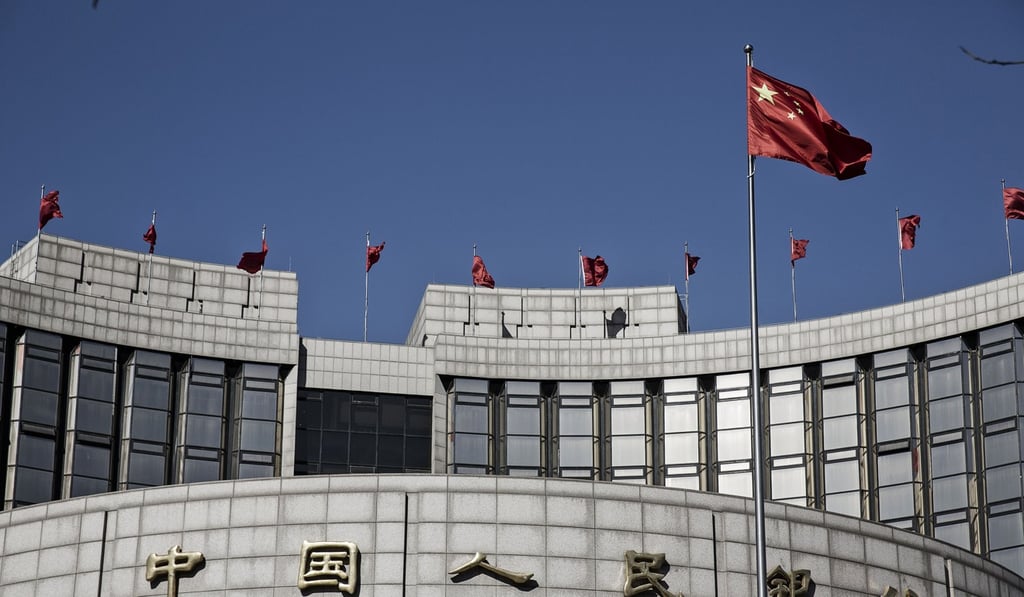
For example, as the US dollar has drifted lower versus the yuan in 2017, China has registered six consecutive monthly incremental increases in the size of its foreign reserves. A rise of US$24 billion in July took the total to US$3.08 trillion, their highest level since October of last year.
Canada’s Scotiabank argues that such reserve accumulation warrants attention as their own studies have suggested that “periods of broader USD weakness—such as we are seeing currently—are typically associated with more active central bank reserve accumulation among the major developing market central banks.”
Scotiabank also notes that “the recent improvement in the EUR’s fortunes has coincided with renewed growth in Chinese FX reserves—a trend that reflects a strong connection between EURUSD’s spot performance and the broader trends in Chinese FX reserve accumulation and depletion in recent years.”
As for Credit Suisse, it thinks “a return of China towards reserves accumulation would have important implications for reserve assets and reserves currencies such as EUR, AUD and JPY.”