
A severely weakened ‘Mutti’ is the last thing Europe needs right now
Germany’s political woes are exacerbating long-standing governance problems in the euro zone and even the Teflon euro is now succumbing to renewed fears about the continent’s resilience

There is no shortage of headaches for investors in the US$5 trillion global foreign exchange markets.
On Tuesday, the krona, Sweden’s currency, fell to its lowest level against the euro since the global financial crisis because of mounting concerns that the country’s red-hot housing market is about to suffer a major correction, making it less likely that Sweden’s central bank will start to withdraw monetary stimulus.
The same day, the lira, Turkey’s currency, fell to a record low against the dollar as international investors fretted about the central bank’s reluctance to raise interest rates to defend a currency that has lost 13 per cent versus the US dollar over the past two months, making it the worst-performing emerging market currency since mid-September.
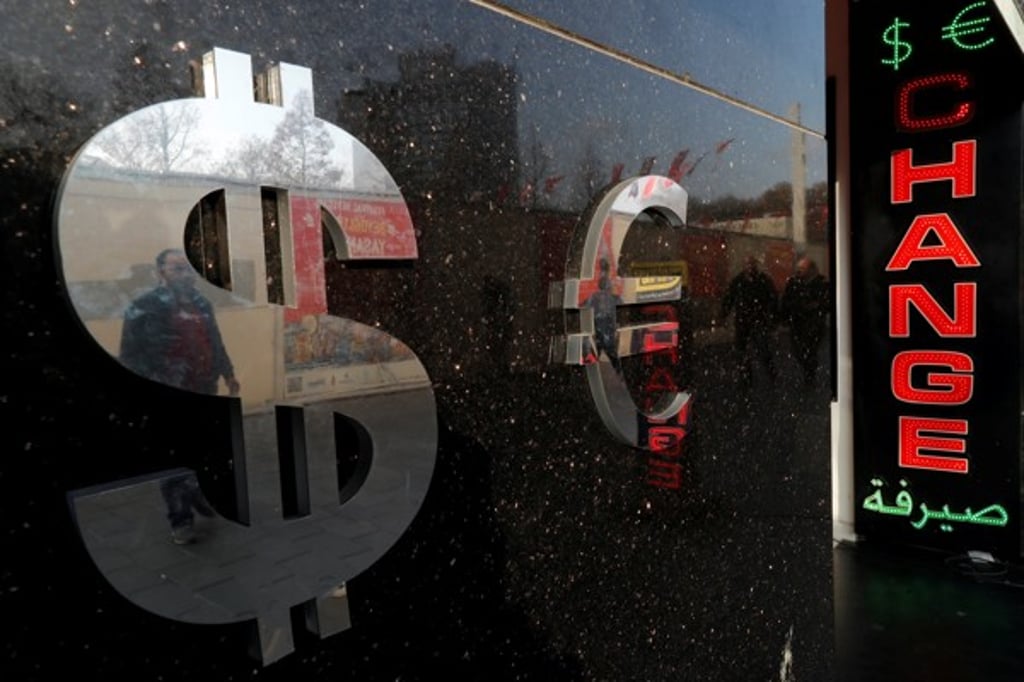
Europe’s single currency was also under the spotlight earlier this week when Germany, the European Union’s largest economy and the dominant force in European politics, was plunged into a political crisis following the failure of chancellor Angela Merkel’s attempts to form a coalition government.
Yet in a sign of the extent to which sentiment towards Europe has improved since the reform-minded Emmanuel Macron won France’s presidential election in May, the euro remained resilient and is currently stronger than where it stood against the dollar at the start of November.