
Advertisement
Environment
Business
David Dodwell

Outside In | Plastic: the miracle invention that now threatens our planet

Our failure to manage the daunting worldwide mountains of disposed plastic waste has turned a miracle material into nature’s nightmare

Reading Time:4 minutes
Why you can trust SCMP
Plastic waste washed ashore in Guinea. According to one estimate, 6.3 billion tonnes of plastic has been discarded as waste over the past century. Photo: Kyodo

When members of an Australian environmental research team last year stepped ashore on Henderson Island, a tiny 3,000 hectare island in the Pacific Ocean, 5,000km from just about anywhere, they found not pristine white beaches but mountains of plastic debris. They counted over 670 plastic items per square metre, making an estimated total of 38 million pieces.

All of a sudden, it made the weekend lap-sap clean-ups on my village beach in Clear Water Bay seem very puny indeed.

The story of how all this plastic waste winds up in the middle of the Pacific Ocean is a horrifying alert to the grave challenge we face in bringing our throwaway culture under control. For so long the problem has been out of sight, out of mind. But this cannot continue for long.
Advertisement
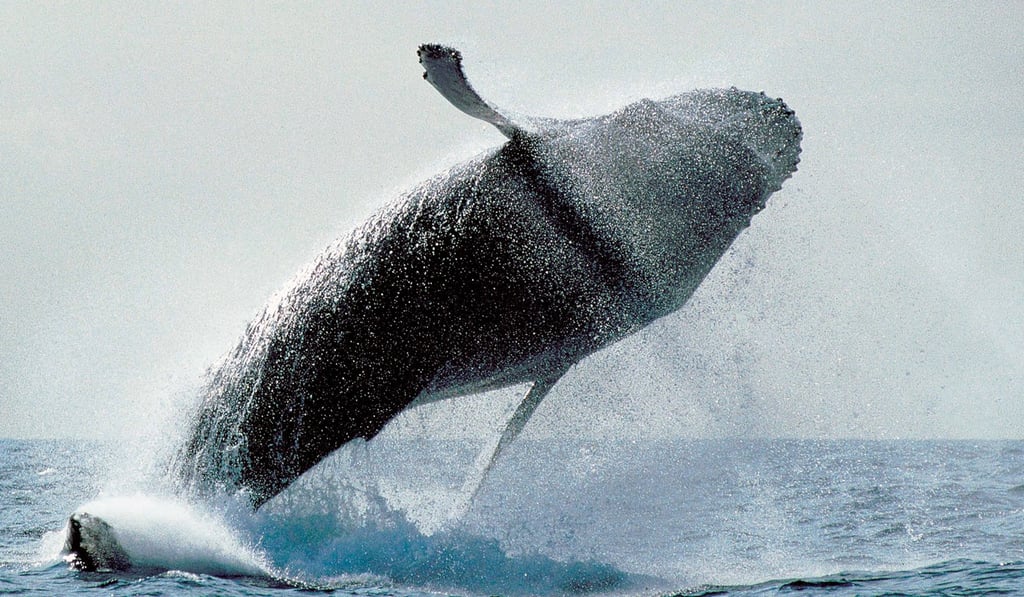
Whales that scoop krill and other tiny organisms from the sea are nowadays ingesting huge quantities of plastics and microplastics every day. Photo: Productions Glacialis inc.
A whale carcass beached in France last year had 800kg of plastic in its stomach. Another whale washed up in Australia had a six square-metre sheet of plastic in its stomach, along with 30 plastic carrier bags. Huge ocean fish like whale sharks and manta rays, and mammals like whale that scoop krill and other tiny organisms from the sea are nowadays ingesting huge quantities of plastics and microplastics every day. Surveys of fish catches in the UK last year found that one in three fish had large quantities of microplastics in their bodies. No one yet knows what harm it is doing us, but no one can be at ease.

When plastics were first invented around 110 years ago, they were seen as a miracle invention. Even today, the importance of this lightweight and virtually indestructible material cannot be underestimated, whether in terms of reducing food spoilage and food waste, or in terms of reducing the spread of innumerable diseases through everything from disposable syringes to hygienic packaging. The British Plastics Federation claims in its members’ defence that if alternatives to plastic were used, the harm would be immensely greater, with 2.7 times more greenhouse gas emissions, for example.
Advertisement
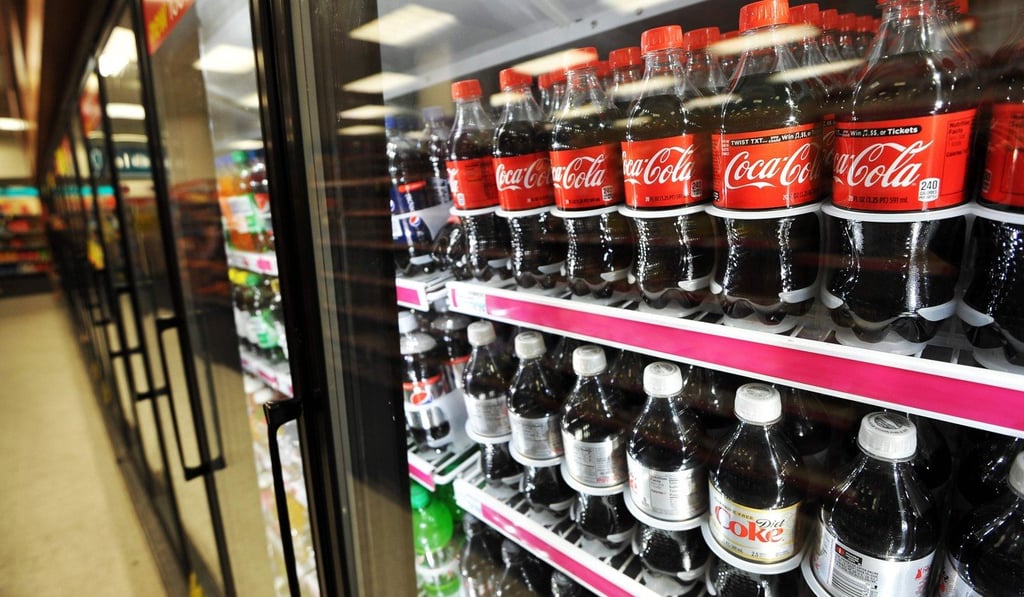
James Quincey, CEO of Coca Cola, which uses 110 billion plastic bottles every year, said: “The world has a packaging problem.” Photo: AFP
But our failure to manage the daunting worldwide mountains of disposed plastic waste has turned a miracle material into nature’s nightmare. Academics at the University of California, Santa Barbara, have calculated that the world’s plastics manufacturers have over the past century created 8.3 billion tonnes of plastics, with 2 billion tonnes still in use, and 6.3 billion tonnes discarded as waste. Of this 6.3 billion tonnes, 79 per cent has gone into landfills across the world, while 12 per cent has been incinerated, and just 9 per cent recycled.

Parallel work by scientists at the Dame Ellen McArthur Foundation have calculated that about 78 million tonnes of plastics are being produced every year, with 40 per cent going to landfill within the year, 32 per cent being discarded across the environment, 14 per cent incinerated, and 14 per cent being recycled.

Advertisement
Select Voice
Choose your listening speed
Get through articles 2x faster
1.25x
250 WPM
Slow
Average
Fast
1.25x