
Britain’s naval ambitions to once again rule the waves are laughable at best and make no sense at all
- The sentimental aspirations to rebuild British grandeur as a leading global power can have potentially destabilising consequences in east Asia
- The efforts to build up Britain’s defence spending, and to “pivot” to Asia, may have less to do with defence than with currying favour for trade deals in a potentially lonely post-Brexit world

The frantic Brexit melodrama in the UK has perhaps inevitably distracted attention from a companion strategy being forged by those nostalgic “Little Englanders” at the heart of Britain’s quest for freedom from Europe – the “Global Britain” plan intended to reburnish Britannica’s standing as a world economic and military power.
While the Brexit mess simply fills me with sadness, the sentimental aspirations to rebuild British grandeur as a leading global power are at best a deep embarrassment, and at worst a potentially destabilising development here in east Asia.
These “Global Britain” efforts came into sharp focus in the past week for two reasons: the indication that Britain is looking to establish a naval base in East Asia – potentially Singapore or Brunei – after withdrawing from the Pacific almost half a century ago; and defence secretary Gavin Williamson’s efforts to boost Britain’s defence budget by 50 per cent to build four new Dreadnought nuclear submarines.
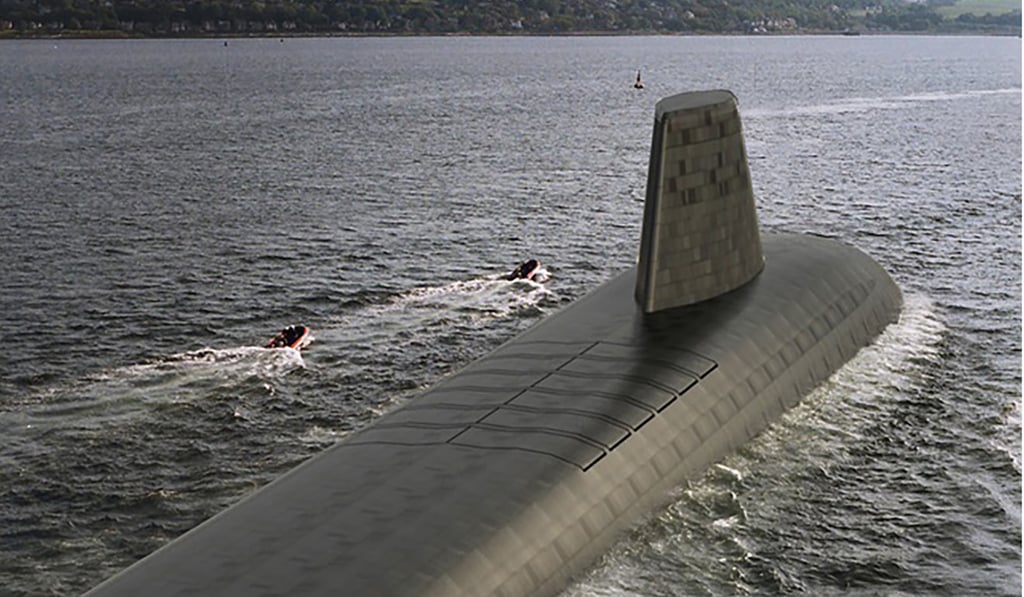
Putting on one side the question of whether British taxpayers would support such a spending increase (defence is already the government’s fourth biggest “line item” after pensions, health and education, where budgets are all under pressure) it is true that Britain remains a significant military power. According to the Stockholm International Peace Institute (SIPRI) it has the world’s fifth largest defence budget at around US$47 billion in 2017, and in gross domestic product terms is the third biggest contributor to Nato. This investment in defence also makes the UK the world’s second largest exporter of defence equipment, with exports of around US$11.5 billion in 2017.
But let’s keep things in perspective. The US defence budget is US$610 billion, and China’s is US$228 billion.