Swine fever ails more than just China’s favourite meat, with millions of small farmers, exports likely to suffer
- Rabobank forecasts China’s pork output is likely to fall by 20 per cent to 30 per cent this year
- Pork is the world’s most widely consumed land-based protein source

One of my more shocking journalistic journeys was made in the mid-1980s, visiting a nondescript factory in the heart of Chongqing. I had asked to explore China’s farming industry, but the ministry of foreign affairs had some difficulties in getting me near an actual farm. Instead, this factory processed all of Sichuan’s pig intestines – 300 million a year.
I watched mountains of recently warm intestines stretched along clean metal tables, while one end of each intestine was plugged to a tap in the wall. After their inside walls had been flushed clean, the intestines were wrapped into tidy bundles of 12, put into huge ceramic jars, generously salted and then taken down into underground storage.
From September, when the weather began to cool, the jars would be brought out of cellarage and loaded onto barges down to Wuhan. From there, the jars took the train to Beijing and then the trans-Siberian railway across to Europe. The bosses told me this single factory supplied the great majority of Europe’s sausage casings.
So news that African Swine Fever has swept into China is a big deal, with massive ramifications not just for millions of Chinese pig farmers and the world’s largest consumer market for pork meat, but for industries across the world, whether it is German sausage makers, or Iowan soybean exporters.
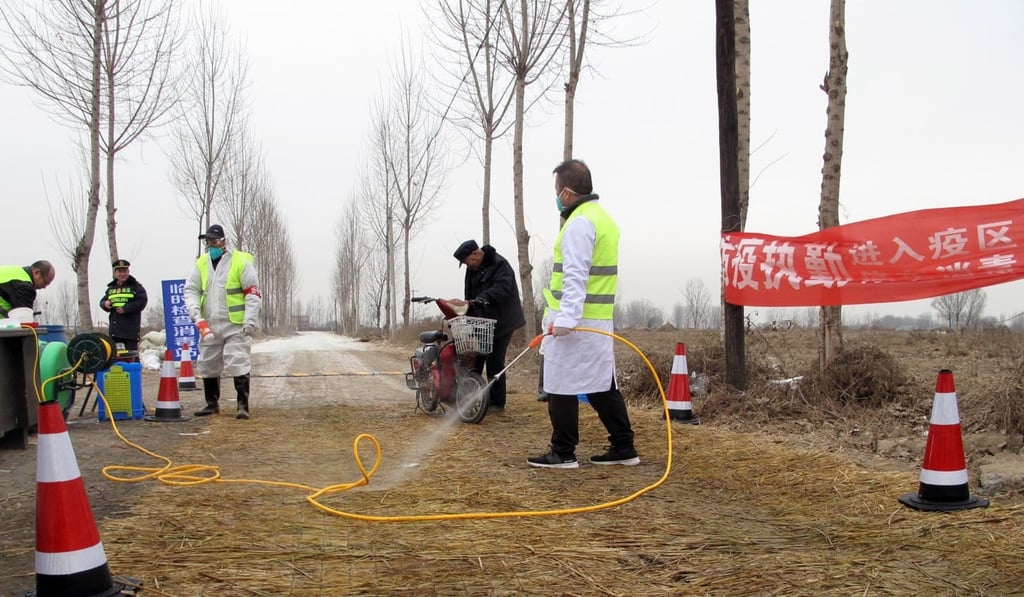
The scale of China’s pork crisis is unclear. Most agree it arrived in Liaoning in the north in August last year, perhaps from Russia or Eastern Europe. Routine Chinese official paranoia about admitting a problem or being honest about the details means that it is uncertain, eight months later, just how far the swine fever has spread. Remember the reticence in admitting even the existence of SARS even after it had broken out in Amoy Gardens in Hong Kong?