
The ViewWhy emerging markets are ignoring the Fed’s monetary policy
As the US central bank starts to unwind its ultra-loose conditions, many emerging markets are staying put or even going the other way

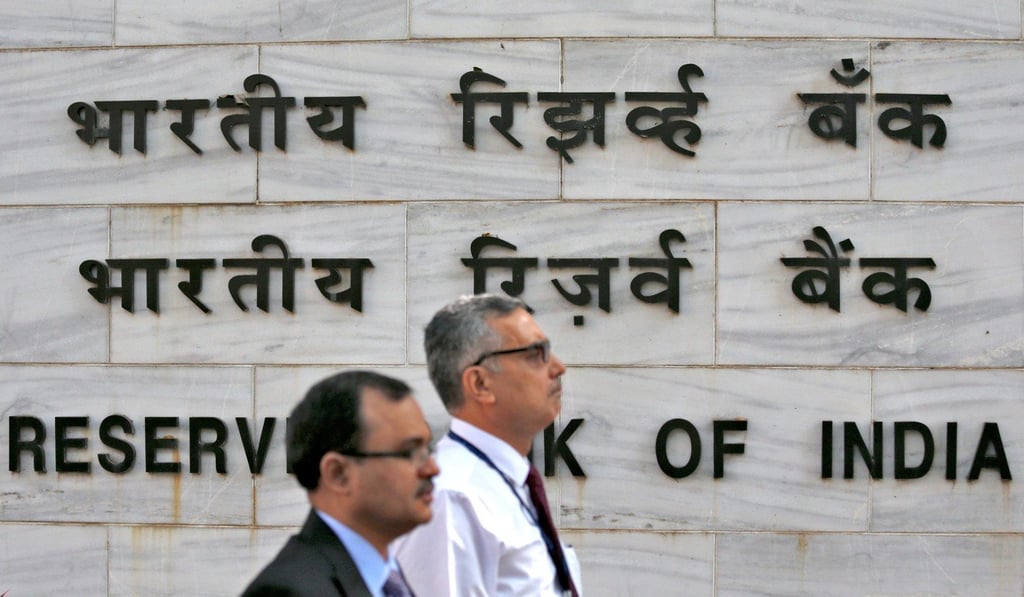
For an indication of the extent to which monetary policy in emerging markets is not dependent on the actions of the Federal Reserve, look no further than last Wednesday’s decision by the Reserve Bank of India to cut its main interest rate by 25 basis points to 6 per cent, the lowest level since 2010.
This is not the first major developing economy to cut borrowing costs in the face of a tightening in policy by the Fed, the world’s most important central bank whose Fed Funds Rate – which has been increased three times since December – is the most influential benchmark interest rate.
Domestic factors, as opposed to external ones, are determining the conduct of monetary policy in developing economies
Last month, the central bank of South Africa – one of the most vulnerable emerging markets – cut its policy rate for the first time in five years. In June, Russia’s central bank trimmed its main rate by a further 25 basis points to 9 per cent, part of a protracted rate-cutting cycle in which the country’s borrowing costs have tumbled from a punitive 17 per cent at the end of 2014.
This stark divergence in monetary policy stems from a number of factors.
The most important one is that inflation rates in most emerging markets remain subdued, particularly core inflation which strips out volatile food and energy prices. In India, headline inflation has dropped to a record low of 1.5 per cent, down from 6 per cent a year ago and significantly below the central bank’s 4 per cent target. In Russia, headline inflation currently stands at just under 4.5 per cent, compared with 7 per cent last summer. The stabilisation of the rouble, Russia’s volatile currency, has helped tame consumer prices which were still in double digits at the beginning of 2016.
This is not surprising given that inflation also remains weak, and has even fallen this year, in the US and the euro zone, the two regions where speculation in financial markets over the withdrawal of monetary stimulus is the most intense.