
Opinion: Where you stand on China depends on where you sit
‘China’s leaders, looking at the general political mess our democracies are in, have become increasingly self-assured of their own model’

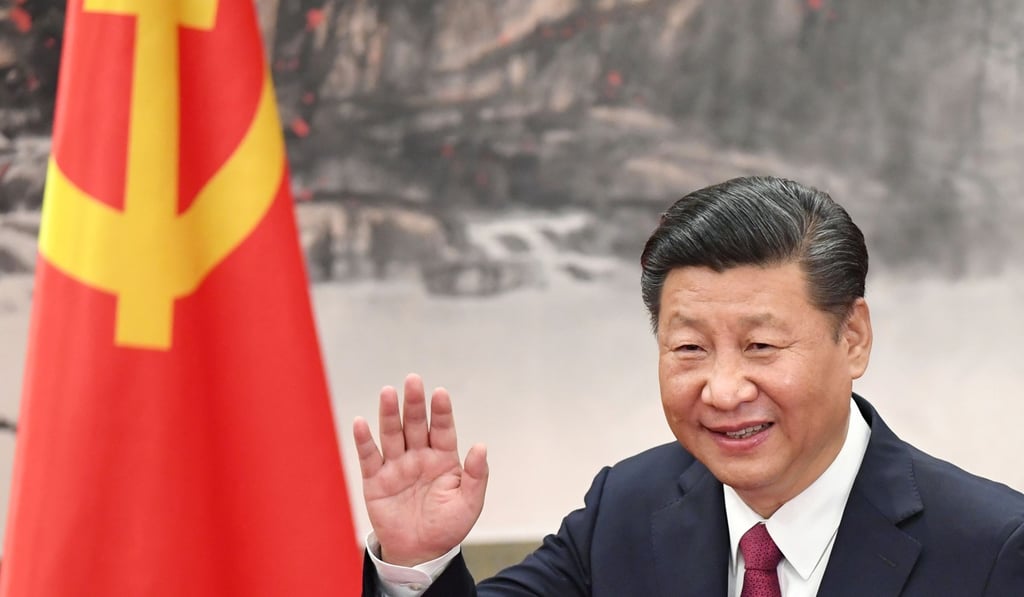
If much of the Western media have it right, China under Xi Jinping is headed towards dictatorial rule the country has not seen since Mao Zedong in the 1950s.
For these, the script for the 19th National People’s Congress, which closed on Wednesday, has been set for months: Xi is surrounding himself with stooges, setting himself up on a pedestal alongside Mao and Deng Xiaoping, concentrating Communist Party power, focusing on eliminating all possible challengers ahead of an eventual pitch for power beyond 2022, and laying the foundations for China to become an assertive and potentially aggressive global military power.
Many are defining these developments as an existential threat to all Western democracies. Note Thursday’s Financial Times editorial: “The world must not forget that Mr Xi is promoting a governance model internationally that is anathema to the democracy America and the west have championed since before the second world war”.
But from my vantage point, in Hong Kong in the direct shadow of the newly minted Great Helmsman, methinks such a script is myopic and paranoid. Even if Xi does indeed constitute a grave and existential threat – which I do not believe is so – then the response is not stereotypically to demonise “Xi Jinping Thought”, but to look to our own governance model and to examine why in recent decades it has served us so poorly. The threat comes not from Beijing or its political system preferences, but from our failure to ensure democratic systems deliver the superior outcomes that they are supposed to deliver.
We have all had powerful recent reminders of the shortcomings of democratic systems – and we are not just talking about the eccentric outcomes in the US elections and on the Brexit vote in the UK. The almost-infinite variety of versions of democratic politics makes it particularly hard to define in any comprehensive way what we democrats are defending. As a Brit, I have always found it difficult to define what superior moral ground we occupy when our democracy has never allowed us to choose our own rime minister or his or her ministerial team.