
Inside Out | Why competition regulations need rewriting in the age of tech titans and algorithms

Peter Thiel, the US technology investor and improbable supporter of President Donald Trump, has a knack of being controversial. “Competition is for losers,” he claims.
Europe’s competition authority may not agree with him as it has slapped a €110 million(US$123 million)fine on Facebook for competition abuses and is pondering fines on Google for abuse of its search engine powers to skew business to its online retailers.
But Thiel makes a fascinating point and cuts to the heart of a dilemma facing the world’s anti-monopoly regulators as the digital age reshapes our lives. As the five US digital behemoths – Facebook, Apple, Amazon, Netflix and Google – build market powers that more than match those of Standard Oil in 1910 or Microsoft Corp in 1999 – do regulators stand back and simply acknowledge that these giants have grown so dominant because they are really good at what they do? Or do they move to constrain the extraordinary market domination that has emerged?
How does a regulator prove anti-competitive intent when the offender is an algorithm?
Even if they decide they have to act, the challenge is how. How does one create competition when a company like Google offers online shoppers its search services for free? How does a regulator prove anti-competitive intent when the offender is an algorithm? As a recent report by the Organisation for Economic Cooperation and Development asked: “Finding ways to prevent collusion between self-learning algorithms might be one of the biggest challenges that competition law enforcers have ever faced.” Understanding how digital dominance works and how to regulate it is at present an unanswered challenge.
There nevertheless seems to be agreement, at least among European regulators, that something needs to be done, and urgently. The US “Big Five” today have a combined stock market valuation of about US$2.4 trillion – bigger than the aggregate value of France’s CAC 40 or the companies listed on Germany’s DAX.
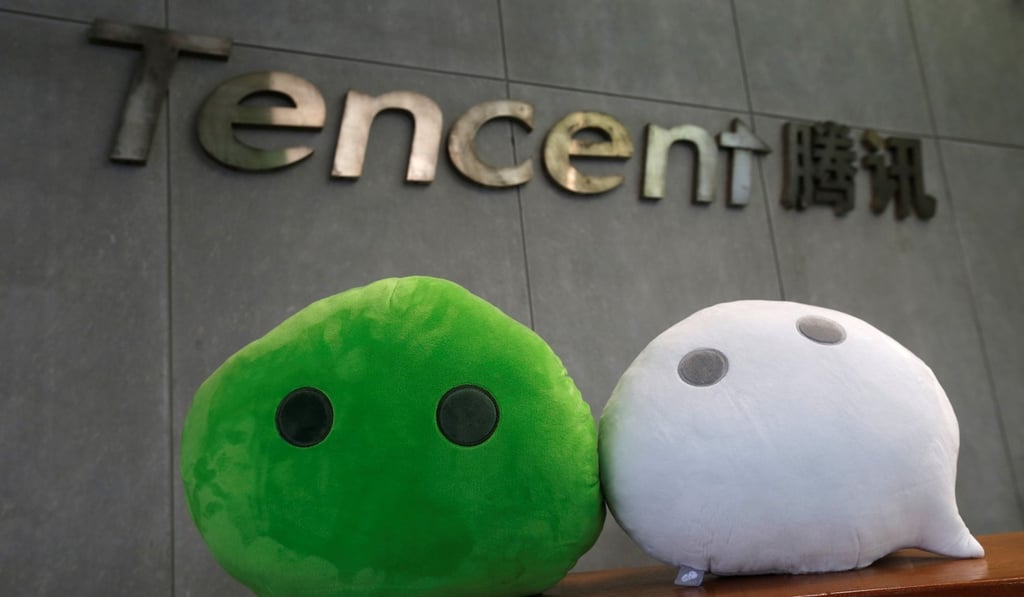
As one Financial Times journalist noted last week: “Facebook chief executive Mark Zuckerberg has to compete in different ways with Netflix, Amazon and Hollywood. By contrast, Tencent owns a major film, music streaming and online payment platform.” She added that “if Tesla was in China, it would not just try to pioneer electric cars. It would offer everything from car insurance and consumer finance to sound systems and social networks”.
Such behemoths are now so awesomely big that market entry to compete with them is a massive challenge for even the smartest of start-ups. And if someone emerges that has the potential to create a meaningful challenge, the next best response is simply to buy it out – as Facebook did with WhatsApp for a sobering US$19 billion.