
The ViewEven central bankers are warning of a looming ‘Minsky moment’
‘The question now is whether other leading central bankers are willing to speak out more forcefully about these risks and, more importantly, unwind their ultra-loose monetary policies’

When the head of the central bank of the world’s second largest economy and one of the most important pressure points in financial markets warns about a possible “Minsky moment”, one would expect international investors to start fretting.
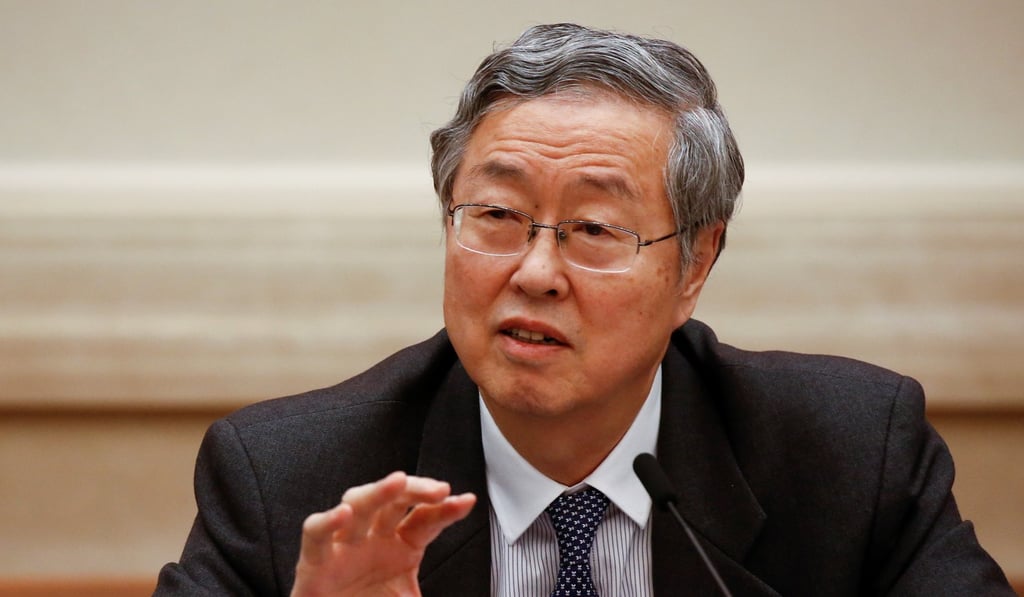
Yet the reaction to the striking statement last Thursday by Zhou Xiaochuan, the outgoing governor of the People’s Bank of China, cautioning against being “too optimistic when things go smoothly [lest] tensions build up, which could lead to a sharp correction, what we call a Minsky moment”, was muted.
While Hong Kong equities fell nearly 2 per cent – the sharpest daily decline since early August – other markets brushed off Zhou’s comments, with US stocks even hitting fresh record highs on Friday as investors become more optimistic about the prospects for tax reform.
However if market participants bothered to reflect on Zhou’s warnings, they would quickly realise that they are the latest in a series of statements by leading central bankers stressing the growing vulnerabilities in markets. While major central banks used to inspire confidence by propping markets up with their ultra-loose monetary policies, policymakers themselves are now warning of the dangers posed by quantitative easing (QE) programmes.
In July, the Federal Reserve revised its assessment of the “vulnerabilities associated with asset valuation pressures” from “notable” to “elevated”, stressing that asset prices continue to climb while spreads, or the risk premium, on corporate bonds keep narrowing amid subdued financial volatility. Fed Chairwoman Janet Yellen, who as far back as July 2014 was cautioning that “equity valuations appear[ed] stretched,” noted at the annual meetings of the International Monetary Fund and the World Bank in Washington earlier this month that stock valuations are “at high levels in historical terms”.
Even the European Central Bank, which is still conducting large-scale asset purchases and has defended its controversial decision to impose negative interest rates to encourage banks to lend more, has expressed concerns about its ultra-loose policies. Last year, Benoit Coeure, a member of the ECB’s executive board, warned of the risk that “the side effects of [QE] are such that the negative consequences prevail”. Mario Draghi, ECB president, has also voiced concerns about QE-fuelled asset bubbles, telling the European Parliament last November that there were “significant vulnerabilities” in eight European housing markets.