
MacroscopeHere’s why Jerome Powell has a daunting task as the new US Federal Reserve chairman
A dovish chairman, presumably like Powell, would be more inclined to keep policy loose to stoke inflation, thereby inflating asset price bubbles.

The appointment of a new chairman of the US Federal Reserve, the world’s most important central bank, is an event one would expect financial markets to be intensely focused on.
Leading central banks, in particular the Fed, have had a profound influence on markets ever since they embarked on large-scale quantitative easing (QE) in the aftermath of the global financial crisis. The Fed’s own balance sheet has swollen to a staggering US$4.5 trillion - nearly one third of the assets held by the world’s largest central banks - since it started purchasing Treasury bonds and mortgage-backed securities at the end of 2008.
It is the Fed, moreover, that is furthest down the road of policy normalisation, having raised interest rates four times since December 2015 and, as of last month, begun the process of paring back its balance sheet. Given the extent to which asset prices have benefited from QE - the benchmark S&P 500 equity index has surged 280 per cent since March 2009 while emerging market funds have enjoyed an additional US$700 billion in net inflows, according to JPMorgan Chase & Co. - the withdrawal of monetary stimulus is bound to prove disruptive at some stage.
A new hawkish Fed chair could prove deeply unsettling for international investors.
Yet as US president Donald Trump prepares to announce his choice for Fed chair on Thursday, markets remain unruffled.
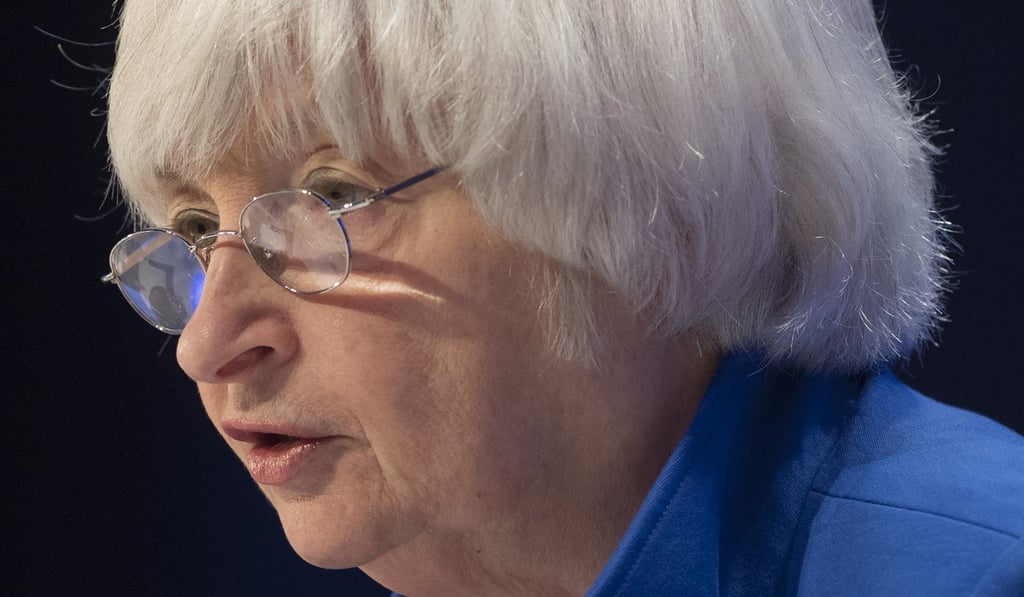
This is partly because investors expect Trump to nominate Fed Governor Jerome Powell, a perceived dove, to succeed Janet Yellen as chair. Powell has supported Yellen in tightening monetary policy in a gradual manner in order to support the recovery, and would therefore represent continuity.