
Opinion: The US will come to regret its petulant snub of China’s belt and road
The US’ failure to recognise the strategic importance of Beijing’s trade development plan will harm its companies and diplomatic standing

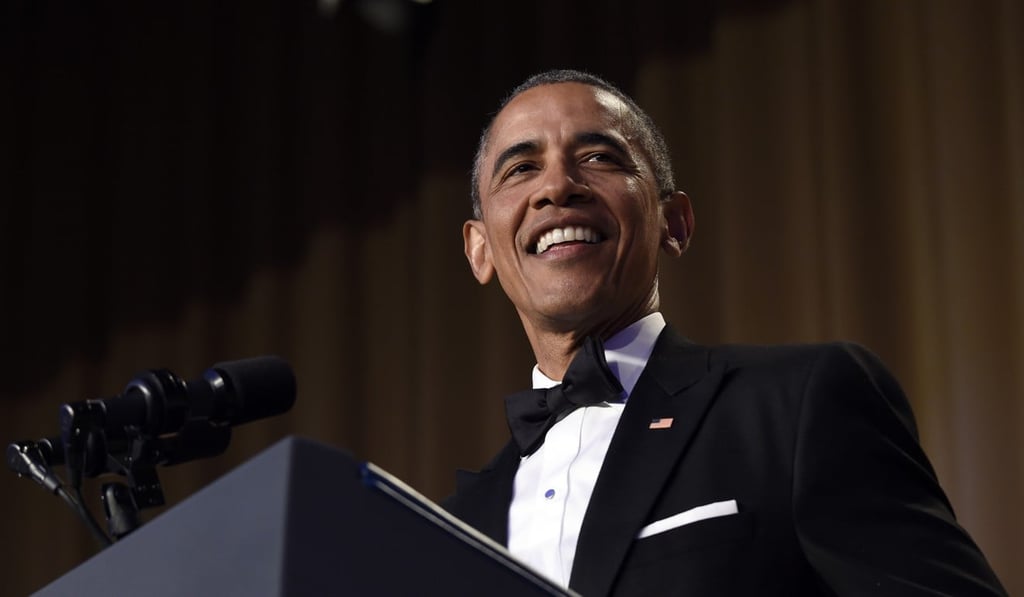
It is fashionable to blame all the world’s ills and idiocies on the erstwhile American Apprentice host, and some of that blame is well targeted. But Donald Trump has no monopoly on idiocy, and in one area in particular the comfortingly statesmanlike Barack Obama must take the blame: that is the United States’ failure to recognise the economic and strategic importance of Xi Jinping’s new Silk Road for China, and in parallel its refusal to sign up to the China-led Asian Infrastructure Investment Bank.
At least the American event enabled huge US infrastructure builders like Aecom, Fluor and Bechtel to keep busy and distracted while leaders in Beijing discussed Asia’s massive infrastructure-building needs – estimated by the Asian Development Bank at US$26 trillion between now and 2030.
And giants like General Electric, Caterpillar and Honeywell, which also stayed away from Beijing, are probably confident they can quickly catch up since all three are understood already to have won some lucrative belt and road contracts.
History will probably look back on the US’ petulant snub of both the belt and road and the AIIB as a key flexion point in the shift of global economic and diplomatic power
But history will probably look back on the US’ petulant snub of both the belt and road and the AIIB as a key flexion point in the shift of global economic and diplomatic power between the US and China. Probably nothing could anyway have prevented the gradual ascent of the meticulous and patient Beijing government away from two centuries of humiliation and squalour, but US petulance has probably accelerated the process and harmed America’s hard-earned reputation as a liberal and generous-spirited global hegemon.
Don’t get me wrong. At this stage, I believe China’s global trade scheme is much more hype than substance, but the US seems to have been flat-footedly oblivious to its massive diplomatic significance. As I wrote in July last year: “The fact that the [‘Belt and Road Initiative’] concept is likely to be empty of short-term significance from a strict trade and investment point of view does not in any way dilute its huge significance to Beijing leaders who view progress a century at a time.