
The existential threat facing the honey bee, and what it means for us
An estimated 10 million beehives have been lost globally since 2014 to ‘colony collapse disorder’

Three hundred feet up in the air, dangling on a hand-made rope ladder, with a 25 foot bamboo pole held in one arm, Kulung tribesman Mauli Dhan fights off savage, pulsing swarms of giant Himalayan honey bees for one of the only things that links him to the world economy – “mad honey”.
Millions worldwide go to less lunatic lengths to capture the fruits of the labour of the world’s three trillion or so honey bees, but it is a tribute to the global value of the honey bee and its nectar that even here high in Nepal, just 10 miles or so from Mount Everest, humans risk life and limb for it.
No wonder, then, that so many in the US and Europe are in a sweat over a crisis sweeping the world’s honey bee populations. Out of a global stock of around 83m beehives in 2014, an estimated 10m hives have been lost, victim to “the disappearing disease”, the “spring dwindle”, or as scientists are now preferring to call it, “colony collapse disorder”.
The panic is not simply because no-one can agree on the cause of the collapse, nor because of fears that there might be a grave global shortage of honey, but because of the critical role honey bees play in pollinating much of the food we eat today.
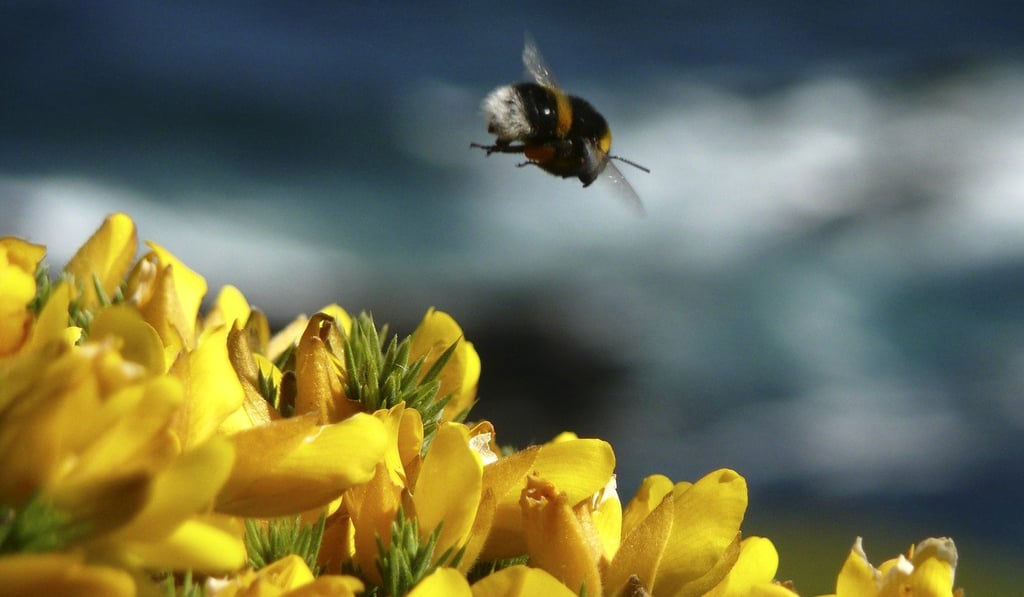
And much of this pollination is not down to honey bees at all. There are just seven species of honey bee in the world – the biggest and most savage of them being Mauli’s giant Himalayan honey bees – out of a total of around 20,000 bee species worldwide. And don’t forget the thousands of other butterflies and beetles and miscellaneous insects that also work assiduously as pollinators – or as our scientists trendily put it, to provide “ecosystem services”.
So why the tizz about “colony collapse disorder”, in particular in the US and Europe? I suppose the answer begins in 1907 with Nephi Miller, who stopped keeping bees for honey and instead began migratory beekeeping in the US, to address the mounting challenges faced by farmers across the country as local feral pollinators fell short of the task in hand.