An unbecoming end for Donald Tsang, devoted servant of Hong Kong
Mike Rowse says it’s a sad day for all who respect the dedicated and able leader, to see him pay for a mistake that should never have been made

His decision-making process was very inclusive, and it wasn’t just lip service, he really meant it. “I’m going to fire all the men in this bureau,” he said once. “Only the women stand up to me and argue back.” It was a requirement that every idea or policy proposal – including his own – be subject to rigorous scrutiny and exhaustively examined before adoption. Once agreed, he expected everyone to defend the company position.
Resigned to his fate, Donald Tsang has no regrets in choosing life of politics
He always put Hong Kong’s interests first, even if it meant putting his own career prospects at risk. For example, in discussions with the British government over implementation of the defence costs agreement, it was well understood that certain officials who pursued Hong Kong’s position in a manner deemed too aggressive would be “spoken to”. Tsang was having none of it. He set a reasonable ceiling figure on the budget for a garrison that was in the process of withdrawing, and fought tooth and nail to hold the line. Altogether, we slashed £100 million (about HK$1.2 billion then) from the British bill.
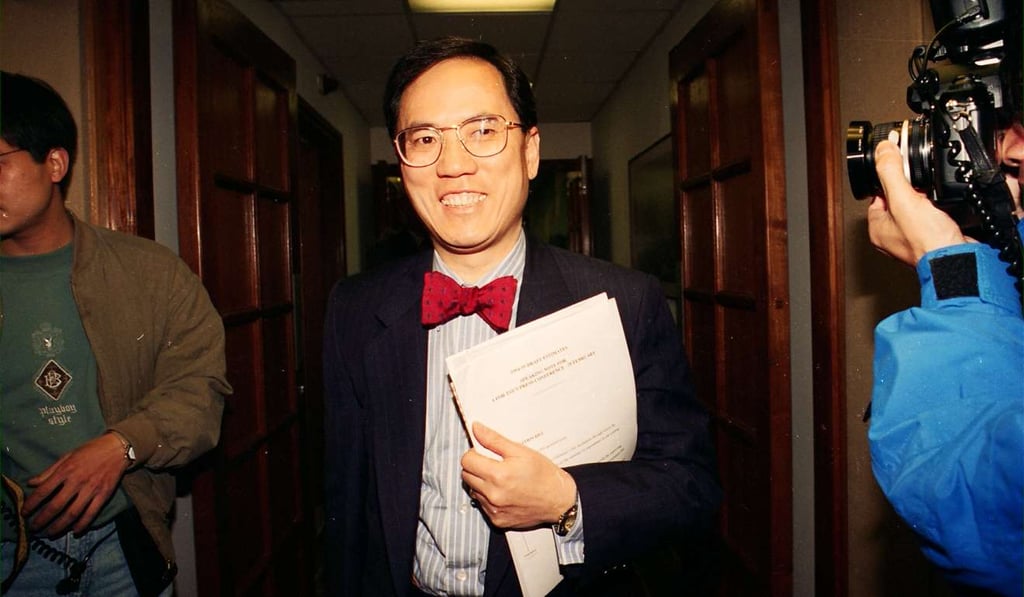
The rise and fall of ‘Hong Kong boy’ Donald Tsang
Similarly with the discussion over the budget during the transitional year of 1997-98. The British position was that Beijing had no part to play in Hong Kong affairs before the formal handover on July 1. From Hong Kong’s perspective, however, it was essential to preserve the concept of a through train running smoothly. That meant sticking with 12-month financial years running from April to March, rather than having a 15-month one for the final period of British administration followed by a nine-month one.
How could the cleverest official I ever worked with stumble over a simple matter like declaring an obvious interest?
A budget covering a financial year under both sovereign powers required consultation with the Chinese side for the 1997 budget. Moreover, it would be better if the Chinese side were permitted to observe the preparations for the 1996 budget. That way, they would have confidence in the integrity of the Hong Kong process. Britain’s Foreign and Commonwealth Office was adamantly opposed and then governor Chris Patten reluctant, but Tsang stood his ground: a cooperative arrangement was best for Hong Kong and the logic of his position eventually won the day.