In the South China Sea, no sign of a thaw between China and the US
Mark Valencia says all signs point to a nervous status quo in the South China Sea – though an out-and-out war is unlikely, the prospects of a truce, even a temporary one, are bleak

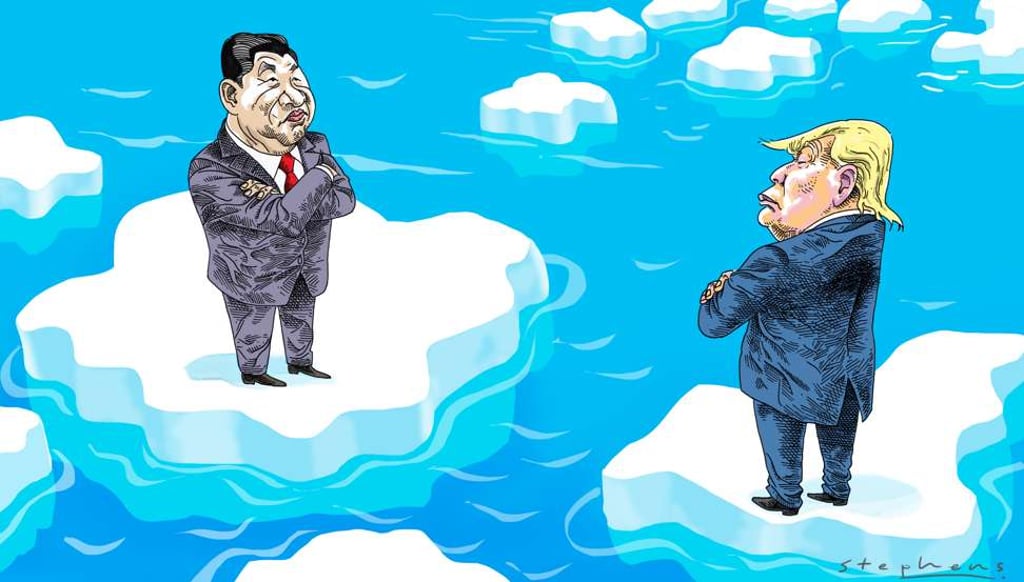
In an optimistic best-case scenario, China and the US will make a pseudo – and temporary – grand bargain which the region’s countries will have to live with. That the US would even consider – let alone make – such a deal would indicate to all that it recognises and respects China’s status as a dominant regional power. This is really what China wants – for now.
Under Trump, Sino-US ties are a work in progress
Strategically, this would set the tone for the region – in essence a political and military stand-down. China would refrain from further occupation, construction and “militarisation” on its claimed features. It would also not undertake any provocative action like occupying and building on Scarborough Shoal, harassing other claimants in the area and declaring an air defence identification zone over the Spratlys. The US, in turn, would decrease or cease altogether its provocative freedom of navigation operations and its “close-in” intelligence, surveillance and reconnaissance probes, which China says threaten its security. It would also refrain from belligerent actions like “blockading” China’s occupied features.
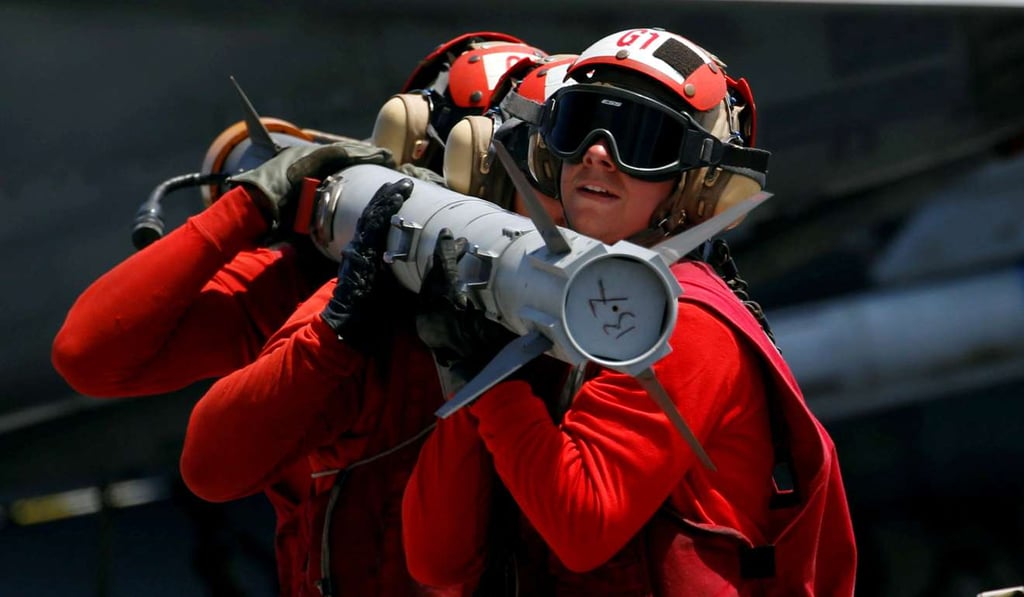
This scenario – a tense “agreement to disagree” – is not without its downside. Since nothing would be fully and finally resolved, it would probably result in intensifying competition – a “cool war” – between the two for soft-power influence in the region. This would intensify pressure on the region’s countries to pick and choose between them. It could even see stepped-up covert operations by both in the vulnerable countries, in which the two powers would support “friendly” domestic factions and foment opposition to its “enemy”. So this situation may simply be kicking the can down the road.
That the US would even consider such a deal would indicate to all that it respects China’s status as a dominant regional power. This is really what China wants – for now
Whatever its merits and demerits, this scenario is unlikely because of the pressure from military hawks and nationalists on both sides for their respective leaders to be more aggressive. More likely is a worse scenario in which the Trump administration follows hawkish advice and pursues across-the-board confrontational policies towards China in general, and in the South China Sea in particular.