Helping more Hongkongers own a home should be Carrie Lam’s goal – not creating more dependency
Mike Rowse says the controversy over the number of available public rental housing units obscures a more important fact – home ownership rates here are poor compared with our neighbours’, and raising them is a necessity

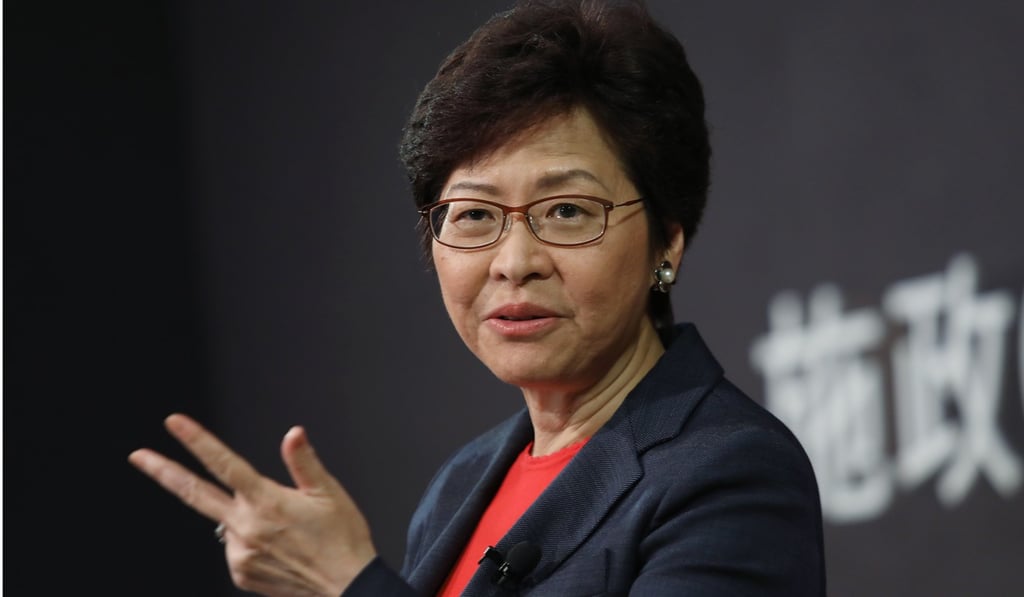
Hong Kong leader Carrie Lam faces questions from all sides despite apology for ‘800,000 flats’ comment
There are many advantages of more home ownership. Those with a tangible stake in the stability and prosperity of their community are more likely to behave as responsible citizens and take an interest in public affairs. You don’t seek to destroy what you own, or let others do so. You have peace of mind for your own long-term living arrangements and an asset to pass on to the next generation. Alternatively, you can use the property as security for a loan to start a business, or meet urgent spending needs. Home ownership frees the individual and instils confidence.
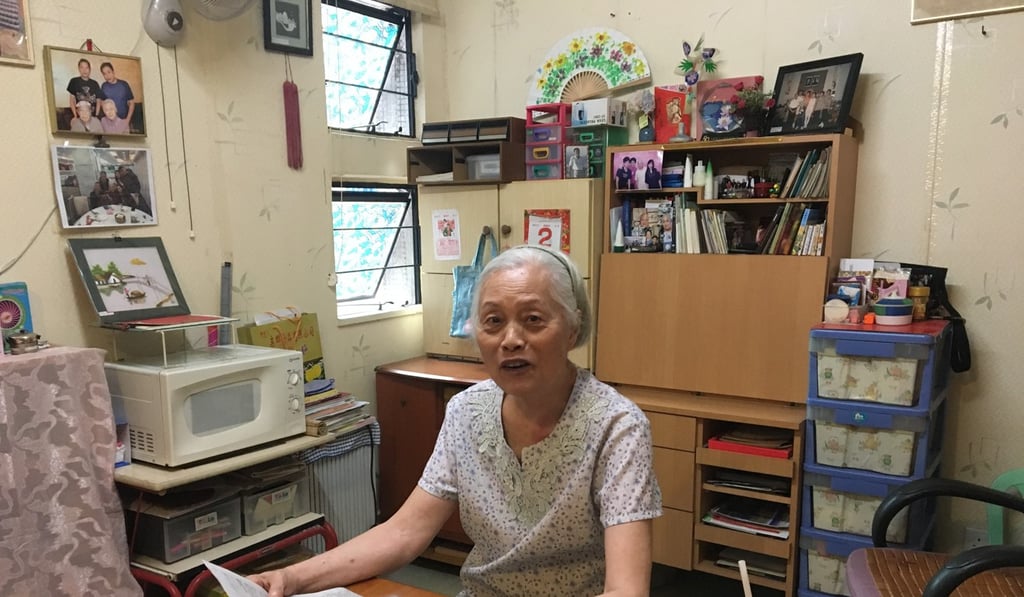
Long queues for Hong Kong subsidised housing as potential buyers hail plan
A lower rate of home ownership, by contrast, means more demand for rental accommodation. High prices mean pressure for a greater role from the government in ensuring affordable housing, either by rent control for privately owned apartments (not popular politically, and not effective in the long run) or direct provision by a publicly funded housing authority. In Hong Kong, 35 per cent of the housing stock is public rental units. The danger is that such a situation can engender a culture of dependency.