In Hong Kong, a genuine love for the nation cannot be forced – but it can be nurtured
Regina Ip calls for patient nation-building efforts that acknowledge diversity and, at the same time, focus on the shared values that will bind Hongkongers closer to fellow Chinese on the mainland

Hong Kong people have long struggled with issues of nationality and national identity. In the colonial era, many who emigrated to Hong Kong from mainland China naturalised as British nationals purely for the sake of travel convenience.
By virtue of blood and cultural ties, older Chinese maintained strong links to the mainland. For decades after the second world war, Hong Kong’s cultural scene was an extension of mainland China’s. But, as time went by, the increase of the local population fostered the growth of Canto-pop and Cantonese movies. Growing up in a vibrant, Cantonese-denominated culture, young people born in Hong Kong have a far weaker emotional and cultural attachment to the mainland than their forebears.
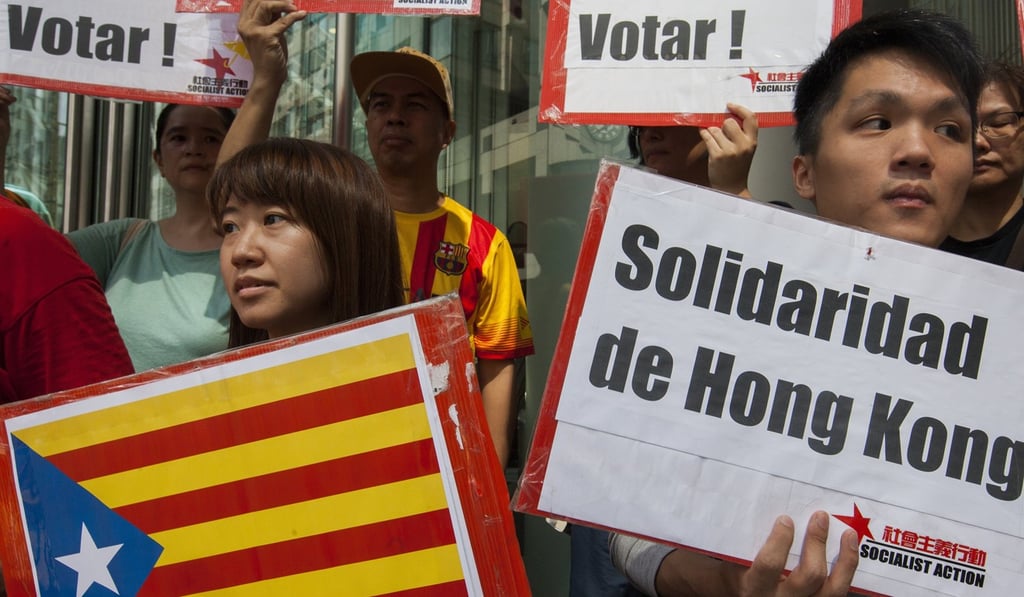
Not fully Chinese? Hong Kong people have a fluid identity – and politics has nothing to do with it
Few in Hong Kong believe that Hong Kong could ever become independent. Hong Kong has always been highly reliant on mainland China for its basic necessities. The wealth we created in the post-war decades helped fuel the growth of southern China, but also made the city more dependent on the mainland for its business and livelihood.
Few in Hong Kong believe that Hong Kong could ever become independent