Advertisement
Climate change must be dealt with before it unleashes millions of global-warming refugees
Mike Rowse says mass migration, driven by war and politics, has already fuelled social discontent in Europe and America. But things may get much worse if climate change continues unchecked and leaves millions in at-risk countries homeless
3-MIN READ3-MIN

Millions of people around the world are being forced from their homes by violent circumstances. Many more aspire to move to another country in search of a better life for themselves and their families. These twin drivers of mass migration are already triggering political trauma in destination countries. And now there’s a third factor with the potential to cause human suffering on a massive scale: climate change.
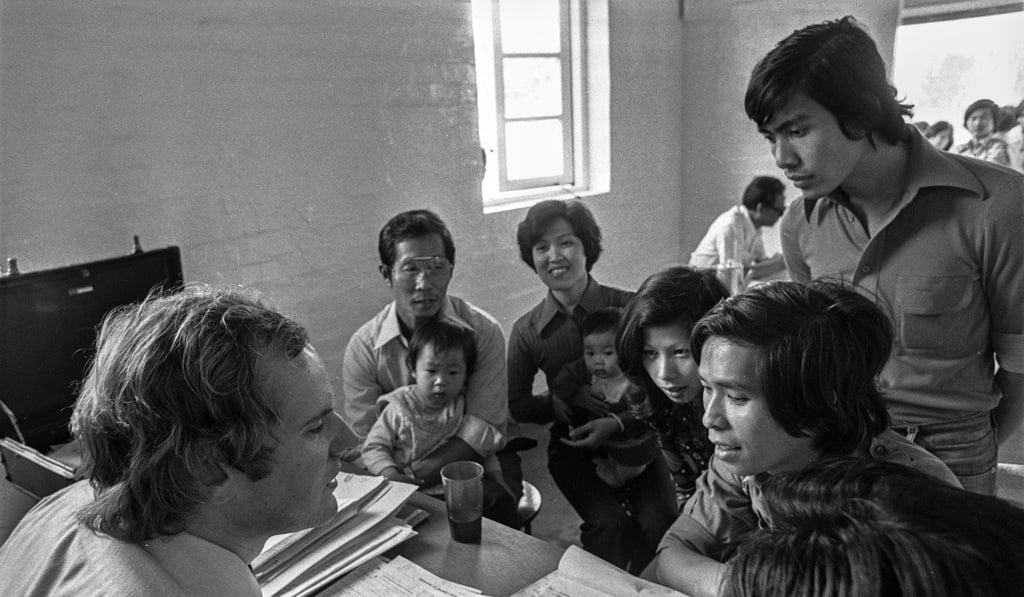
There are two broad groups of reasons why people up sticks and move to a different country: the necessity-push and the opportunity-pull. Up until now, probably the most common push factors have been war and politics. During the violent partition that accompanied the birth of India and Pakistan in 1947, millions scrambled to get on the “right” side of the new borders. Closer to home, the Vietnam war ended with hundreds of thousands of those associated with the losing regime fleeing from the south, many stopping over in Hong Kong on their way to safety in a sanctuary country.
More recently, the appalling civil war in Syria has displaced millions of its citizens, mostly to adjacent countries such as Turkey and Jordan, though about a million flooded into western Europe, and many settled in Germany. A military crackdown in Myanmar has forced over 700,000 Rohingya Muslims to flee to neighbouring Bangladesh. A question mark hangs over the residence rights of four million people in India, who have been left off a citizens’ register on suspicion of being illegal immigrants from Bangladesh.
Advertisement
The pull factor in migration has undergone a step change in recent years, thanks to technological progress. The possibility of a better life somewhere else has historically been uncertain because of a lack of reliable information about what life “over there” was really like. It took time for news to filter back and it was safer to maintain the status quo.
Advertisement
Advertisement
Select Voice
Select Speed
1.00x