Advertisement

MacroscopeEnough of car crash economics: global ‘recovery’ has failed too many people
David Brown says neoliberal policies have corrupted the promise of shared well-being, and a new international consensus is necessary to ensure fair housing, education and tax policies, as well as increased international growth
3-MIN READ3-MIN

Whatever happened to all our post-war dreams for a brave new world based on growth, prosperity and well-being for all, rather than the privileged few? Where did global recovery go so wrong that it failed so many? Wealth and income inequality has never been so marked, especially now that new labour-saving technologies are putting so many global jobs at risk. The world economy based on neoliberalism and free-market capitalism is failing badly and putting us all at grave risk. A change in world thinking and leadership is needed before it is too late.
The idealism which emerged out of the ashes of the second world war is fast disappearing. Multinationalism is dying and we are moving to a world driven by the “me” rather than “we” economy, where self-interest, individualism and national chauvinism are becoming revered above all else. The power and influence of international agencies like the United Nations, World Bank, International Monetary Fund and World Trade Organisation, which spearheaded global economic development in the post-war era are losing traction.
Our economic policies are being driven by the high temple of wealth creation and free-market forces, while the clock is being turned back on post-war welfare provision in the name of austerity and economic necessity. The squeeze on health, education and social spending in the United States, Europe and Britain in the past 10 years is a sad testament to that trend.
Advertisement
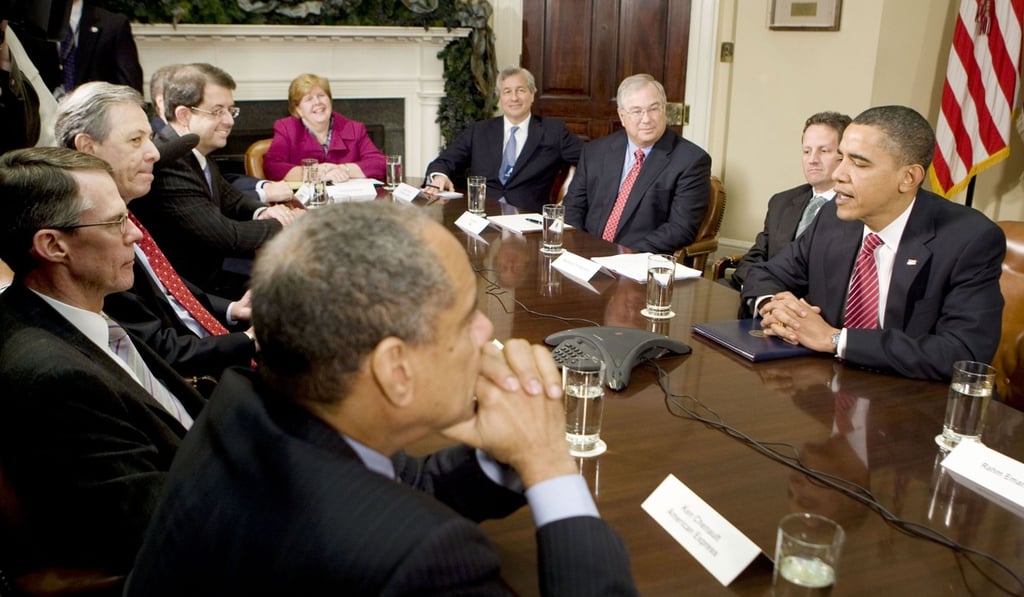
The next time the world hits the crash barriers, it could be carnage. After the 2008 financial crisis, it was only the collective efforts of governments, central banks and supranational agencies like the IMF which saved our skins. Neoliberal thinking offered few practical solutions, but neo-Keynesian remedies did an outstanding repair job by way of zero interest rates and quantitative easing, combined with huge doses of deficit spending. Without them, the world would have been lost.
Advertisement
In the glut of cheap and easy money generated in the wake of the crash, it has been the well-off, asset-rich and super-wealthy elite who have capitalised most as financial markets rocketed, while the cost of recovery has largely fallen on the unemployed, the less-well-off, lower-earning taxpayers and pensioners as fiscal austerity and debt deflation have taken their toll on growth and government finances. The burden should have been spread far more equitably.
Advertisement
Select Voice
Select Speed
1.00x