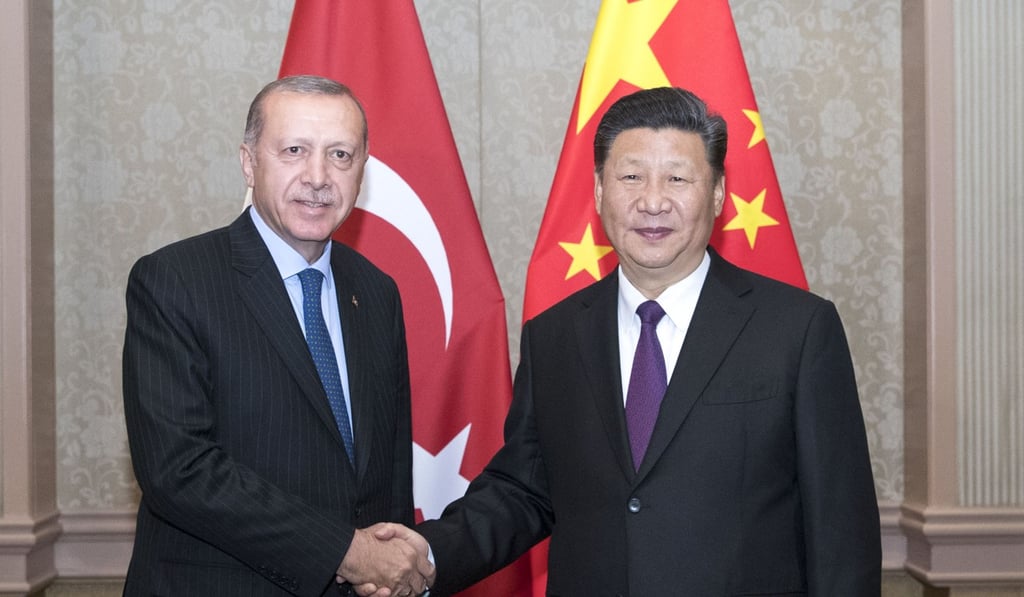
Why the yuan and other Asian currencies won’t follow the Turkish lira into free fall
Neal Kimberley says while US tariffs may have been the tipping point, Turkey’s currency woes are rooted in weak foundations that other Asian economies do not share

Turkish President Recep Tayyip Erdogan may have characterised his country’s current situation as an “economic war” and the slide in the value of the Turkish lira has been accentuated by the deterioration in relations between Turkey and the United States, but the currency was arguably already resting on poor foundations.
With Erdogan a self-described “enemy of interest rates”, the Central Bank of Turkey has been slow to tighten monetary policy even though inflation in July was 15.85 per cent year-on-year, more than three times the Turkish central bank’s 5 per cent target.
Additionally, Turkey runs a current account deficit and Turkish non-financial corporations have taken on a mountain of US dollar-denominated debt that has to be serviced. Not only does Turkey need foreign investment inflows to bridge that current account deficit gap, its companies need US dollars to service their debts.