Naval code of conduct won’t make US-China encounters in South China Sea safer
Mark J. Valencia says the non-binding Code for Unplanned Encounters at Sea is creating false hopes for regional maritime stability. The real problem is China and the US have conflicting security strategies for China’s near seas

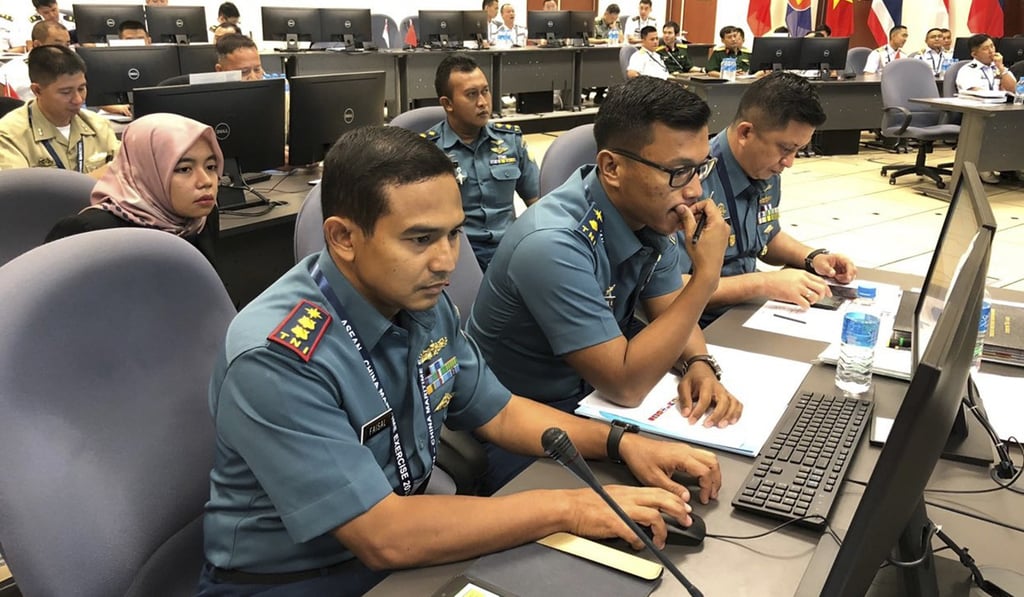
This development generated among analysts some hoopla over the importance and effectiveness of the Code for Unplanned Encounters at Sea for reducing naval incidents.
According to Collin Koh Swee Lean at the S. Rajaratnam School of International Studies in Singapore, the code “reinforces the utility of this mechanism in preventing or mitigating close-proximity encounters between navies” and “its incorporation in this inaugural Asean-China exercise is a re-emphasis of its importance in promoting regional maritime stability”.
The code may well enhance safety at sea for intra-Asean and Asean-China military encounters. But even this is optimistic because it reflects a misunderstanding of the origin of the code and what it can, and cannot, do.
The code is a non-binding agreement reached at the Western Pacific Naval Symposium in April 2014. It provides guidelines on safety procedures, communications and manoeuvring when naval ships and aircraft unexpectedly encounter each other. Twenty-one countries have entered into the agreement: Australia, Brunei, Cambodia, Canada, Chile, China, France, Indonesia, Japan, Malaysia, New Zealand, Papua New Guinea, Peru, the Philippines, Russia, Singapore, South Korea, Thailand, Tonga, the United States and Vietnam.