Advertisement
Why a rising US Treasury yield and a hawkish Fed do not mean a bond bear market is around the corner
Nicholas Spiro says the recent bond sell-off seems to have been fuelled mainly by expectations of a more aggressive Fed, but without a sharper and sustained increase in inflation, a bear market is unlikely to materialise
3-MIN READ3-MIN

Is this the end of the 37-year-old bull market in global bonds? The sharp increase in the benchmark 10-year US Treasury yield – up 13 basis points since the start of this month to a 7½-year high of 3.19 per cent – has strengthened the case of the bond bears. For some time now, they have pointed to the combination of a stronger-than-expected American economy and a broader-based unwinding of central banks’ ultra-loose monetary policies as the trigger for a prolonged sell-off in fixed income.
To be sure, the end of the bond bull market has been called many times since the Federal Reserve announced its plan to terminate its quantitative easing programme in May 2013 and began raising interest rates for the first time in a decade two years later. Yet the latest sell-off – and the one last January – looks like an inflection point, with the price declines stemming from a rapidly tightening US labour market, fuelling concerns about rising inflation amid a pickup in wage growth.
The turmoil has rippled through global markets, wiping off more than US$900 billion from the Bloomberg Barclays Multiverse Index, a leading gauge of bonds in advanced and developing economies, last week, the sharpest fall since the aftermath of the US presidential election in November 2016, according to data from Bloomberg. What is more, stock markets have come under renewed strain, with emerging market equities giving up all their recent gains.
Advertisement
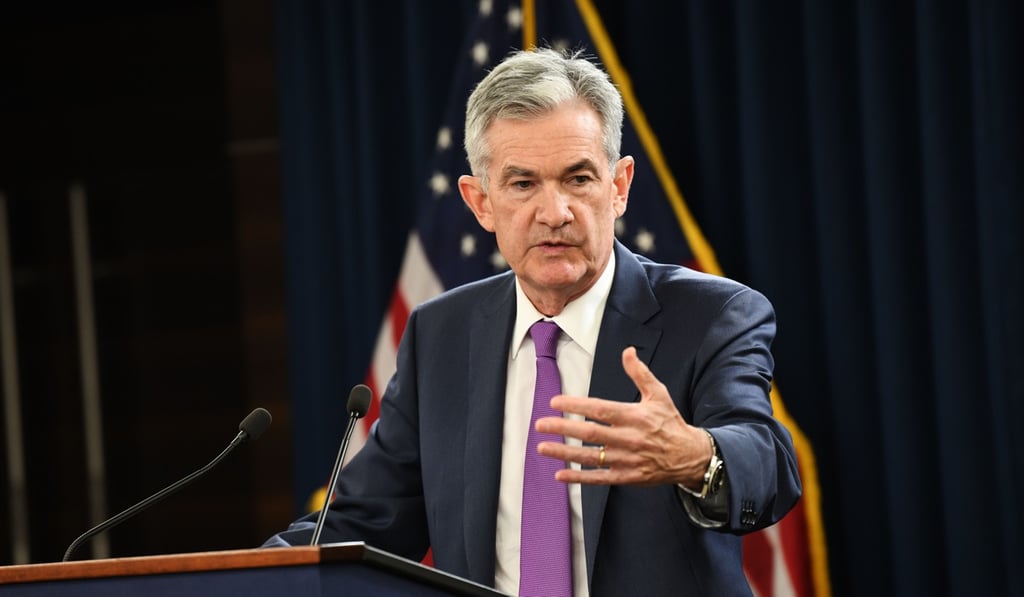
Bond investors have been particularly unnerved by the increasingly bullish views of Fed policymakers, especially the central bank’s new chairman, Jerome Powell, who last week claimed the US economy – which expanded at an annualised rate of 4.1 per cent in the second quarter, turbocharged by the Trump administration’s fiscal stimulus – was “enjoying a remarkably positive set of economic circumstances”. More worryingly for bond traders, Powell said the Fed was still “a long way” from raising rates to a neutral level, leaving considerable scope for a further tightening in monetary policy.
Advertisement
Advertisement
Select Voice
Select Speed
1.00x