Advertisement

Why the trade war will usher in a long, drawn-out bear market, with stocks, bonds, credit and property all at risk
- Andy Xie says the unravelling of the US-China relationship that has sustained leveraged speculation will reverse trends investors have become used to
- A close look at price-to-book and price-to-sales ratios finds the stock market is overvalued, and this will compound the downturn
4-MIN READ4-MIN

Dr Andy Xie is a Shanghai-based independent economist specialising in China and Asia, and writes, speaks and consults on global economics and financial markets.
Financial markets have been struggling lately. Even red-hot internet stocks have been plummeting. Is this just another scare, like the many we have had since 2008? That’s what the consensus seems to be. The reality is quite different. This is a structural bear market that could last for years. Not just stocks, but bonds, credit and property are vulnerable. This bear market will reverse the trends that investors have been used to for more than two decades.
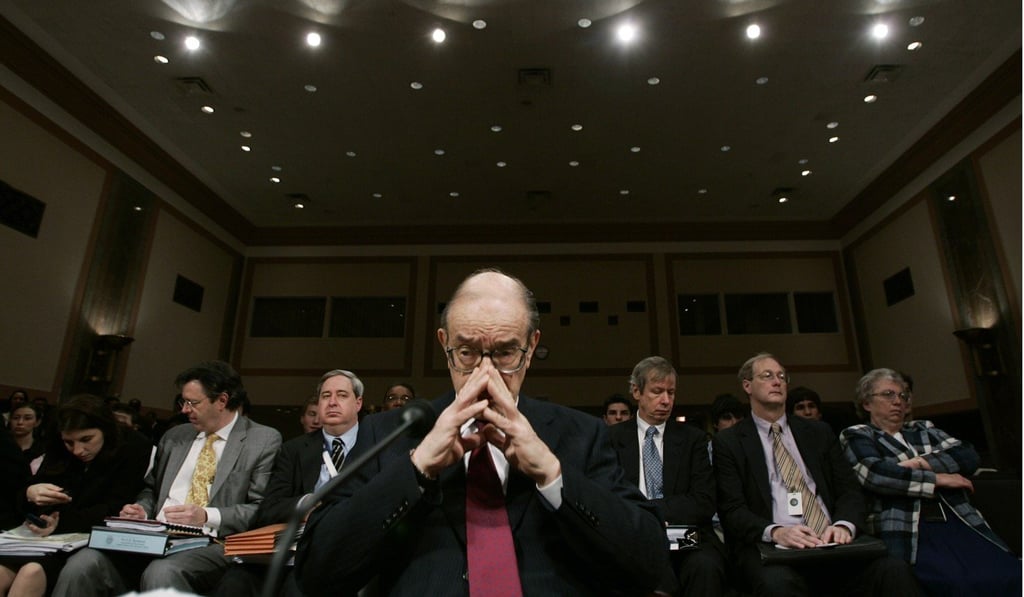
In 1995, Alan Greenspan bemoaned the conundrum of ever-declining bond yields. That trend continued for another two decades. Declining interest rates led to a surge in demand for debt to purchase risky assets. This fuelled asset prices and validated the debt-financed speculation.
It wasn’t always smooth sailing. The 1997-98 Asian financial crisis, the 2000-2001 dotcom crash, and the 2008 global financial crisis were hiccups along the way. As markets completely recovered from each crisis and kept the trend going, leveraged speculation became more popular. People stopped questioning whether it was too good to be true.
Advertisement
The current market turmoil is a different animal. It undermines the pillar that sustains leveraged speculation – the mutually dependent relationship between the US and China which states, “I buy your goods, you buy my debt”. China continued the invest-and-export tradition of other East Asian economies. The overinvestment in the East was sustainable only because of overconsumption in the US. Through forced savings, the East financed its overinvestment at home and overconsumption in the US by buying American debt.
Advertisement
Advertisement
Select Voice
Select Speed
1.00x