
What AI revolution? First, millions of kids in the developing world need electricity and internet access
- David Dodwell says those who are excited or worried about the digital revolution need a reality check: 3.4 billion people still have no internet access today, though many of them will be needed for tomorrow’s hi-tech jobs

Gacusana’s job, with the United Nations Development Programme in the Philippines, is to bring computers to local schools, so that Philippine kids can become digitally literate, perhaps learn coding, and join the digital revolution party.
But before he can start getting excited about delivering computers to, and developing STEM skills in, the country’s classrooms, he has to wrestle with a much more basic challenge: how to get electricity for thousands of schools in the Philippines. His main task right now is getting solar panels installed in all these schools. The schools will get their computers only when the solar panels are up and running.
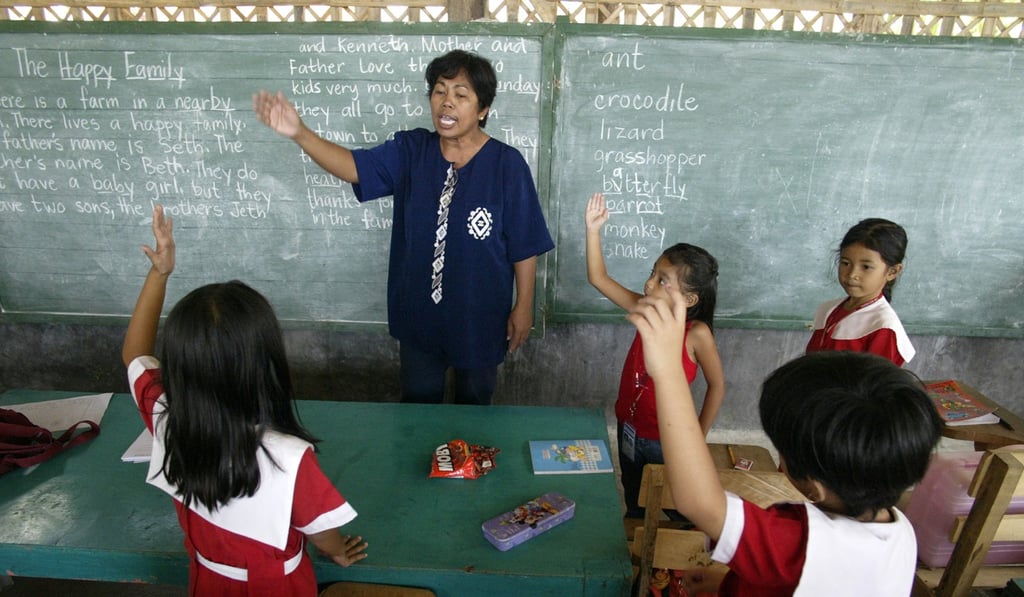
Gacusana was this week talking to a similarly down-to-earth crowd – a couple of hundred educators from across the Philippines gathered for an Apec workshop on harnessing “inclusive opportunities” in the digital age. Almost all of them are under mounting pressure to equip our next generation with the skills needed to take advantage of the digital revolution – and most of them feel deeply daunted by the practical challenge.