
China has a right to its own economic vision. US trade negotiators should remember that
- The argument for supporting local industry in the face of fierce foreign competition is not unique to the Chinese. In some sectors, such as clean energy, state support might even be desirable. The challenge to China’s industrial policy is not justified

The minister was clear and impassioned: “Often [our] companies are competing globally with firms that are very strong in their home markets. So [we] should also allow companies to exist and become global players that are big enough to compete effectively.”
The state, he said, should step in to acquire hi-tech companies if they are about to be taken over by state-backed predators, and competition law should allow the creation of mega-companies. “It’s indisputable that when you operate in global markets you need to be of a certain size to compete successfully.”
But, no, this was Peter Altmaier, Germany’s economy minister, after talks last week with his French counterpart Bruno Le Maire, both bristling at the EU competition authority’s refusal to support their plans to merge the European train-makers Alstom and Siemens. Their aspiration was to build a European giant able to compete with the Chinese railway group CRRC.
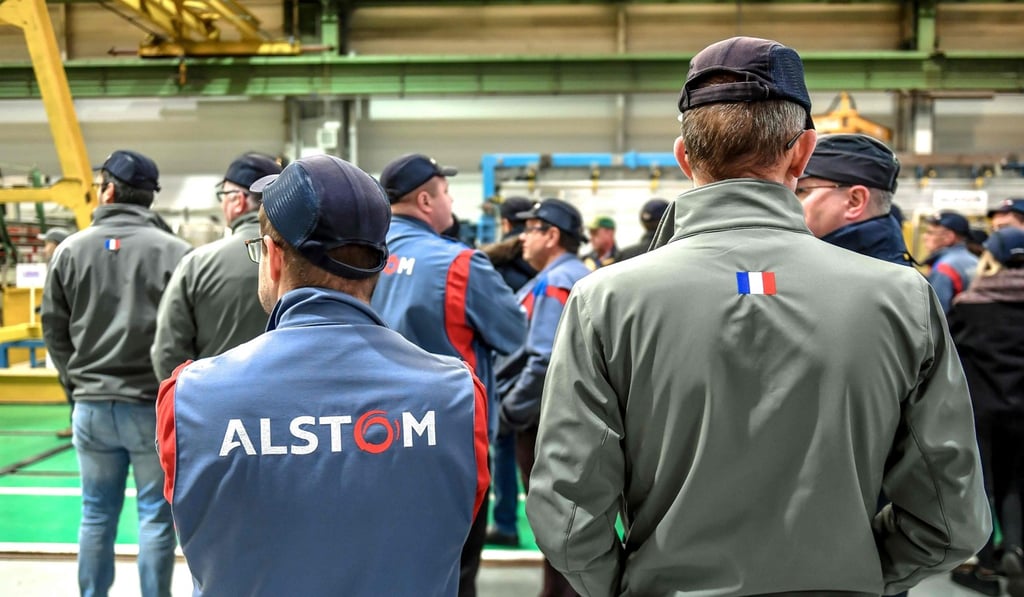
Reporting after an interview with Altmaier, the Financial Times’ Berlin correspondent summarised: “Paris and Berlin have been left fuming by Brussels’ refusal to countenance a deal between Siemens and Alstom. In recent days the two countries have emphasised the need to create and foster ‘European industrial champions’ and warned of the risk of Europe ceding its technological supremacy to a rising China.”